The inequality of cancun that tourists dont see – The Inequality of Cancun That Tourists Don’t See: Beneath the turquoise waters and dazzling resorts lies a stark reality – a city sharply divided between the opulent world of tourism and the struggles of its local residents. While visitors soak up the sun on pristine beaches, a significant portion of the population faces economic hardship, limited access to resources, and a stark contrast in living standards. This isn’t just about a gap in wealth; it’s about systemic inequalities woven into the fabric of Cancun’s development.
This hidden side of Cancun reveals a complex interplay of economic disparities, unequal access to infrastructure, and the environmental consequences of unchecked tourism. We’ll delve into the wage gaps between tourism workers and other professions, the disparity in access to basic services like clean water and healthcare, and the disproportionate environmental burden borne by local communities. Prepare to see Cancun through a different lens – one that exposes the inequalities often overlooked amidst the postcard-perfect imagery.
Economic Disparities in Cancun
Cancun, a global tourism hotspot, presents a stark contrast between its dazzling resorts and the realities faced by many of its residents. The glittering façade of paradise masks significant economic inequalities, creating a two-tiered system where the benefits of tourism are unevenly distributed. This disparity is evident in the wage gap, cost of living discrepancies, and limited economic opportunities outside the tourism sector for local residents.
Wage Gap in Cancun’s Tourism Sector
The tourism industry in Cancun, while a significant economic driver, often pays low wages to its employees. Hotel staff, restaurant workers, and tour guides frequently earn minimum wage or slightly above, leaving them struggling to meet the rising cost of living. This contrasts sharply with the high salaries earned by managers and executives in the tourism sector, as well as professionals in other, less prevalent industries. The discrepancy creates a substantial wage gap, hindering social mobility for many local workers. For example, a waiter might earn around $5 per hour, while a hotel manager could earn ten times that amount or more. This significant difference directly contributes to the overall economic inequality within the city.
Cost of Living Comparison: Tourist Zones vs. Local Areas
The cost of living in Cancun varies drastically depending on location. Tourist areas boast luxury hotels, upscale restaurants, and high-end shops, reflecting significantly higher prices for goods and services. Meanwhile, areas primarily inhabited by locals often lack similar amenities and experience considerably lower prices. This disparity means that while tourists enjoy a seemingly affordable vacation, local residents face a higher cost of living relative to their income. For instance, a simple meal in a tourist zone might cost three times more than the same meal in a local neighborhood. This cost difference further exacerbates the economic inequality, as it disproportionately affects lower-income families.
Economic Opportunities Outside the Tourism Industry
While tourism dominates Cancun’s economy, limited economic opportunities exist outside this sector. The lack of diversification hinders economic mobility for many locals. Opportunities in other industries, such as manufacturing or agriculture, are often scarce or poorly developed. This over-reliance on tourism creates a vulnerable economic ecosystem, leaving residents heavily dependent on a single industry, making them susceptible to economic downturns in the tourism sector. The limited availability of alternative employment options reinforces the existing economic disparities.
Income Inequality Data in Cancun, The inequality of cancun that tourists dont see
The following table provides a simplified representation of income inequality in Cancun. Note that precise data collection and consistent measurement across all sectors are challenging, and this table represents estimates based on available information and reports from various sources. It aims to illustrate the general trend rather than provide exact figures.
| Occupation | Average Income (USD/month) | Cost of Living Index (Tourist Zone = 100) | Income Inequality Ratio (High/Low) |
|---|---|---|---|
| Hotel Waiter | 500 | 70 | 1:10 |
| Construction Worker | 700 | 60 | 1:8 |
| Hotel Manager | 5000 | 100 | N/A |
| Software Engineer | 2000 | 80 | 1:4 |
Infrastructure and Access to Resources
Source: thecancunsun.com
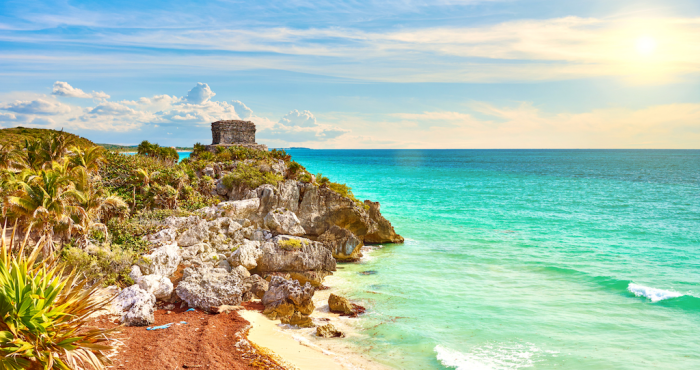
Cancun’s dazzling resorts mask a stark reality: the jarring contrast between opulent tourist havens and the impoverished lives of many locals. It’s a world away from the audiophile bliss we experienced while testing we tried the worlds most expensive wireless speakers , a stark reminder that luxury’s reach doesn’t always extend to everyone. The disparity in Cancun, unseen by most visitors, highlights a global issue of wealth distribution.
Cancun’s dazzling tourist infrastructure masks a stark reality for many of its residents. The city’s development has been heavily skewed towards catering to the demands of international tourism, leaving significant portions of the local population underserved in terms of basic infrastructure and access to essential resources. This disparity creates a two-tiered system, where the opulent resorts and meticulously maintained tourist areas stand in stark contrast to the often-overlooked challenges faced by local communities.
The unequal distribution of resources is most evident in the provision of clean water, sanitation, and healthcare. While tourists enjoy readily available, high-quality services, many local residents struggle with inconsistent access to clean drinking water, inadequate sanitation systems, and limited healthcare options. This disparity significantly impacts public health and overall quality of life for a substantial portion of the population.
Access to Clean Water, Sanitation, and Healthcare
The contrast between the water infrastructure servicing luxury hotels and that of local communities is striking. Tourists enjoy readily available, purified water in their accommodations and throughout tourist zones. Meanwhile, some local communities rely on unreliable water sources, potentially leading to waterborne illnesses. Similarly, sanitation systems in tourist areas are modern and efficient, while many local communities lack adequate sewage treatment, leading to environmental pollution and health risks. Access to healthcare also mirrors this disparity. Tourists have access to high-quality private medical facilities, while local residents often rely on overburdened public hospitals with limited resources and long wait times. The result is a significant health disparity, with local communities disproportionately affected by preventable diseases.
Infrastructure Quality: Tourist vs. Residential Areas
A simple comparison of road conditions reveals the disparity in infrastructure investment. The roads leading to and within tourist zones are typically well-maintained, wide, and smooth. In contrast, many roads in residential areas are poorly maintained, narrow, and often potholed, making transportation difficult and dangerous. Public transportation also reflects this imbalance. Tourist areas are well-served by buses and taxis, offering convenient and reliable options. However, public transportation in residential areas is often inadequate, infrequent, and unreliable, limiting access to employment, education, and healthcare. The quality of schools also differs significantly. Schools in tourist areas often benefit from better funding, facilities, and resources, resulting in a higher standard of education compared to those in less affluent residential areas.
Environmental Degradation and its Impact
The rapid growth of tourism in Cancun has led to significant environmental degradation. The construction of hotels and resorts often involves deforestation and habitat destruction, impacting local ecosystems and biodiversity. Increased waste generation from tourism contributes to pollution of land and water resources. Coastal erosion, exacerbated by tourism-related activities, poses a threat to local communities reliant on the coastline for their livelihoods. The influx of tourists also increases pressure on water resources, potentially leading to water scarcity in local communities. These environmental consequences directly affect the health and well-being of local residents, compounding the existing inequalities.
Visual Representation of Infrastructure Disparity
Imagine a split image. One side depicts a pristine, wide boulevard lined with palm trees, immaculate sidewalks, and modern, brightly lit hotels. Luxury vehicles smoothly navigate the road, and well-maintained public transportation is readily available. This represents the tourist zone. The other side shows a narrow, potholed road, with dilapidated buildings and limited street lighting. Public transportation is scarce, and trash accumulates on the roadside. This represents a typical residential area. The stark contrast in road quality, infrastructure maintenance, and overall cleanliness visually encapsulates the disparity in resource allocation and infrastructure development between the two zones.
Social Inequality and its Manifestations
Cancun’s dazzling beaches and all-inclusive resorts mask a stark reality: a significant chasm separates the affluent tourism sector from the daily lives of many local residents. The city’s economic engine, fueled by international tourism, has created a complex social stratification, characterized by vast disparities in wealth, access to resources, and overall quality of life. This section delves into the social inequalities inherent in Cancun’s unique structure, examining their manifestations and the attempts made to mitigate them.
The social stratification in Cancun is acutely visible. A small elite, comprised largely of business owners, developers, and high-ranking employees in the tourism industry, enjoys a privileged lifestyle marked by access to high-quality housing, education, healthcare, and recreational opportunities. In stark contrast, a large segment of the population, particularly those working in the service sector, struggles with low wages, precarious employment, and limited access to essential services. This creates a visible divide, reflected in the stark differences in housing quality, neighborhood infrastructure, and overall living standards between the hotel zone and the surrounding communities. Social mobility, the ability to move between socioeconomic classes, is severely limited for many, perpetuating a cycle of poverty and inequality.
Social Programs and Their Effectiveness
Several social programs have been implemented in Cancun to address inequality, primarily focusing on poverty reduction, education, and healthcare. These include initiatives aimed at providing subsidized housing, improving access to education through scholarships and vocational training, and expanding healthcare services to underserved communities. However, the effectiveness of these programs has been mixed. While some have shown positive results in specific areas, broader systemic issues, such as inadequate funding, bureaucratic inefficiencies, and a lack of coordination between different agencies, often hinder their impact. For example, while scholarship programs exist, the high cost of living and limited job opportunities often prevent recipients from fully benefiting from their improved education. Similarly, access to healthcare, although expanded, remains limited for many due to cost and distance to facilities.
Poverty and its Impact on Education and Opportunities
Poverty in Cancun significantly impacts access to education and opportunities for local residents. Many families struggle to afford school supplies, uniforms, and transportation costs, leading to high dropout rates, particularly among children from low-income households. Limited access to quality education restricts future employment prospects, perpetuating the cycle of poverty. Furthermore, the lack of opportunities for vocational training and higher education further limits upward mobility. This lack of access is not merely about affordability; it also involves geographical barriers, as many impoverished communities are located far from educational institutions. The result is a population largely excluded from the economic prosperity generated by tourism, leading to feelings of marginalization and resentment.
Social Challenges Faced by Different Socioeconomic Groups
The following points highlight the diverse social challenges faced by different socioeconomic groups in Cancun:
- High-Income Groups: While enjoying a high standard of living, this group faces challenges related to maintaining their privileged position amidst economic fluctuations in the tourism industry and potential social unrest stemming from inequality.
- Middle-Income Groups: This group often faces job insecurity in the fluctuating tourism market, struggles with rising living costs, and limited access to certain amenities and services enjoyed by the high-income earners.
- Low-Income Groups: This group experiences widespread poverty, lack of access to quality education and healthcare, inadequate housing, and limited employment opportunities, often leading to social exclusion and marginalization.
Environmental Impact and its Unequal Burden
Cancun’s dazzling turquoise waters and pristine beaches mask a harsh reality: the environmental cost of its booming tourism industry is disproportionately borne by the local population. While tourists enjoy the idyllic paradise, residents grapple with the consequences of unchecked development and lax environmental regulations. This disparity highlights a critical aspect of Cancun’s inequality, often invisible to the casual visitor.
The rapid expansion of hotels, resorts, and infrastructure has led to significant environmental degradation. Coastal erosion, exacerbated by construction and the disruption of natural ecosystems, threatens the very foundation of Cancun’s tourism appeal. The clearing of mangroves, vital for coastal protection and biodiversity, is another consequence, leaving communities more vulnerable to storms and flooding. Furthermore, the increased demand for water and energy resources strains already limited supplies, impacting local access to clean water and reliable electricity.
Environmental Regulations in Tourist vs. Residential Areas
Enforcement of environmental regulations differs significantly between Cancun’s tourist zones and its residential areas. Tourist zones, often the most lucrative, benefit from more rigorous (at least on paper) monitoring and enforcement, while residential areas, particularly those populated by lower-income communities, often lack the same level of protection. This leads to a situation where environmental violations, such as illegal dumping or inadequate waste management, are more prevalent in these underserved communities. The result is a disproportionate exposure to pollution and environmental hazards for residents.
Pollution’s Impact on Local Health and Well-being
The cumulative effects of air, water, and noise pollution significantly impact the health and well-being of local populations. Air pollution from vehicles and construction contributes to respiratory illnesses, while untreated sewage and industrial waste contaminate water sources, increasing the risk of waterborne diseases. The constant noise from tourism activities, including nightlife and water sports, disrupts sleep patterns and contributes to stress-related health problems. These negative health outcomes disproportionately affect lower-income communities, who often lack access to adequate healthcare.
Unequal Distribution of Environmental Benefits and Costs
The following table illustrates the unequal distribution of environmental benefits and costs associated with tourism in Cancun:
| Environmental Issue | Impact on Tourists | Impact on Locals | Mitigation Efforts |
|---|---|---|---|
| Coastal Erosion | Reduced beach access in some areas; potential impact on tourism experience. | Loss of land and property; increased vulnerability to storms; displacement. | Limited beach nourishment projects; some coastal protection initiatives. Often insufficient. |
| Water Pollution | Potential for decreased water quality in tourist areas; occasional health concerns. | Increased risk of waterborne diseases; limited access to clean drinking water. | Some wastewater treatment improvements in tourist areas; limited infrastructure in local communities. |
| Air Pollution | Increased traffic congestion leading to some air quality issues. | Higher exposure to air pollutants from traffic and construction; increased respiratory illnesses. | Limited public transportation options; inconsistent enforcement of emission standards. |
| Noise Pollution | Potential for noise disturbance in some tourist areas, particularly near nightlife venues. | Significant noise pollution affecting sleep, stress levels, and overall quality of life. | Limited noise control regulations; inconsistent enforcement. |
The Role of Government and Policy: The Inequality Of Cancun That Tourists Dont See
Source: fastcompany.net
Cancun’s stark economic disparities, largely hidden from the typical tourist experience, are a direct result of complex interplay between tourism development and governmental policies. While tourism undeniably fuels the region’s economy, its benefits haven’t been evenly distributed, leaving many local communities marginalized. The Mexican government, at both the federal and state levels, plays a crucial role in shaping this reality, both through its regulations and its active promotion of tourism.
The Mexican government’s approach to regulating tourism in Cancun is a mixed bag. On one hand, it has implemented various environmental regulations aimed at preserving the natural beauty that draws tourists. However, enforcement of these regulations is often inconsistent, leading to environmental degradation that disproportionately affects poorer communities reliant on the coastal ecosystem. Simultaneously, economic policies have focused heavily on attracting large-scale tourism developments, often prioritizing the interests of international investors over the needs of local businesses and residents. This has created a system where the wealth generated by tourism largely bypasses the local population.
Government Policies Aimed at Sustainable Tourism and Community Development
Several government initiatives aim to foster sustainable tourism and improve the lives of local communities. These include programs promoting eco-tourism, offering training and certification for local businesses to participate in sustainable practices, and investing in infrastructure projects intended to benefit local communities. However, the impact of these initiatives has been limited due to factors like inadequate funding, bureaucratic inefficiencies, and a lack of community engagement in policy development. For example, programs aimed at skill development for locals often fail to provide relevant skills for the actual jobs available in the tourism sector, leading to a disconnect between training and employment opportunities.
Effectiveness of Current Policies and Areas for Improvement
While the government’s commitment to sustainable tourism is evident in its policy pronouncements, the practical implementation leaves much to be desired. Many programs lack effective monitoring and evaluation mechanisms, making it difficult to assess their actual impact on reducing inequality. Furthermore, the concentration of power within large tourism corporations often undermines efforts to empower local communities and ensure equitable distribution of benefits. Corruption also plays a significant role, diverting funds intended for community development projects. For example, planned infrastructure improvements meant to improve access to essential services for marginalized communities may be delayed or never fully implemented due to corruption. This results in continued inequality and limited access to basic needs.
Policy Recommendations to Mitigate Inequality in Cancun
The need for substantial policy reform is clear. To mitigate the inequalities hidden from tourists, the following recommendations are crucial:
- Strengthening environmental regulations and ensuring effective enforcement to protect the coastal ecosystem and the livelihoods of communities dependent on it.
- Promoting policies that favor small and medium-sized enterprises (SMEs) owned by local communities, providing them with access to credit, training, and market opportunities.
- Implementing participatory planning processes that actively involve local communities in the design and implementation of tourism development projects, ensuring their voices are heard and their needs are addressed.
- Investing in affordable housing and public transportation to improve the living conditions of low-income communities and enhance their access to jobs and services.
- Enhancing transparency and accountability in the management of tourism revenues, ensuring that a larger share of the benefits reaches local communities through direct investment in education, healthcare, and infrastructure.
- Establishing independent monitoring and evaluation mechanisms to assess the effectiveness of government policies and programs aimed at reducing inequality and promoting sustainable tourism.
Conclusion

Source: medium.com
Cancun’s glittering facade masks a deeper story of inequality, a story rarely glimpsed by the millions of tourists who flock to its shores each year. The stark contrast between the lavish resorts and the realities faced by many local residents highlights the urgent need for sustainable tourism practices and equitable policies. Addressing these inequalities isn’t just about social justice; it’s about ensuring the long-term health and prosperity of Cancun itself. Only by acknowledging and tackling these challenges can Cancun truly live up to its potential as a vibrant and inclusive destination for both visitors and its people.