
Software delivery, the process of releasing software to end-users, is a multifaceted discipline demanding careful planning, efficient execution, and continuous improvement. This guide explores the core components of robust software delivery, encompassing diverse methodologies, essential tools, and emerging trends. We’ll delve into best practices, common challenges, and the critical role of security throughout the entire lifecycle.
From Agile sprints to Waterfall methodologies, the journey of software from conception to deployment is a complex dance of collaboration, automation, and rigorous testing. Understanding the various approaches, their strengths and weaknesses, and how they adapt to different industry needs is crucial for successful software delivery. This exploration will equip you with the knowledge to navigate this complex landscape and optimize your own software delivery processes.
Defining Software Delivery
Software delivery encompasses the entire process of bringing software applications from conception to deployment and beyond. It’s a multifaceted endeavor involving planning, development, testing, deployment, and ongoing maintenance, all aimed at delivering value to end-users. A streamlined and efficient software delivery process is crucial for any organization seeking to leverage technology effectively.
Core Components of a Robust Software Delivery Process
A robust software delivery process hinges on several key components working in harmony. These include meticulous planning and requirements gathering, efficient development methodologies, rigorous testing procedures, seamless deployment strategies, and comprehensive monitoring and maintenance. Each stage is interconnected, and any weakness in one area can negatively impact the overall success of the project. Effective communication and collaboration across teams are also essential for a smooth process.
Software Delivery Methodologies
Various methodologies guide the software delivery process, each with its own strengths and weaknesses. The Waterfall methodology follows a linear, sequential approach, with each phase completed before the next begins. In contrast, Agile methodologies, such as Scrum and Kanban, embrace iterative development, emphasizing flexibility and adaptability to changing requirements. DevOps further integrates development and operations teams to streamline the entire software lifecycle, fostering continuous integration and continuous delivery (CI/CD).
Comparison of Software Delivery Approaches
Waterfall, while providing a structured approach, can be inflexible and less responsive to evolving needs. Agile methodologies offer greater flexibility but can require experienced teams and careful management to avoid scope creep. DevOps promotes faster release cycles and improved collaboration but requires a significant cultural shift within an organization. The choice of methodology depends heavily on project specifics, team expertise, and organizational culture. For instance, a large-scale enterprise project with stringent regulatory requirements might benefit from a Waterfall approach, while a smaller, rapidly evolving startup might prefer Agile.
Examples of Successful Software Delivery Implementations
Netflix’s adoption of a microservices architecture and CI/CD pipelines exemplifies successful DevOps implementation, enabling rapid innovation and frequent releases. Spotify’s use of Agile methodologies, particularly Scrum, has fostered a culture of rapid iteration and continuous improvement. In the financial sector, robust Waterfall-based methodologies are often employed for mission-critical systems requiring high levels of stability and security. These diverse examples highlight the adaptability of different approaches depending on context.
Key Performance Indicators (KPIs) for Software Delivery Effectiveness
The effectiveness of a software delivery process can be measured using various KPIs. These metrics provide valuable insights into efficiency, quality, and customer satisfaction.
| KPI | Description | Target | Measurement Method |
|---|---|---|---|
| Deployment Frequency | How often software is deployed to production | Weekly or more frequently (for Agile/DevOps) | Deployment logs, release management tools |
| Lead Time for Changes | Time from code commit to deployment | Under a week (ideal for Agile/DevOps) | Version control systems, deployment tracking |
| Mean Time To Recovery (MTTR) | Time taken to restore service after an outage | Minutes or hours | Monitoring systems, incident reports |
| Change Failure Rate | Percentage of deployments resulting in failures | Below 15% (ideally lower) | Deployment logs, incident reports |
Tools and Technologies in Software Delivery

Source: cloudinary.com
Software delivery relies heavily on a robust ecosystem of tools and technologies to manage the complexities of the software development lifecycle (SDLC). Efficient software delivery requires careful selection and integration of these tools, often necessitating a strategic approach that considers the specific needs and scale of the project. Automation plays a crucial role in optimizing the process, while cloud-based platforms offer scalability and flexibility.
Tools Used in Each Stage of the Software Delivery Lifecycle
The software delivery lifecycle comprises several key stages, each benefiting from specific tools designed to enhance efficiency and collaboration. These tools range from simple project management software to complex automation platforms. Effective selection depends on the project’s size, team structure, and technical requirements.
- Planning & Requirements Gathering: Jira, Azure DevOps, Confluence, Trello. These tools facilitate task management, backlog grooming, and collaborative documentation.
- Development: Integrated Development Environments (IDEs) such as Visual Studio, IntelliJ IDEA, Eclipse; Git for version control; Docker for containerization.
- Testing: Selenium, JUnit, pytest, Appium for automated testing; TestRail, Zephyr for test case management.
- Deployment: Ansible, Chef, Puppet for infrastructure automation; Kubernetes, Docker Swarm for container orchestration; Jenkins, GitLab CI/CD, CircleCI for continuous integration and continuous delivery (CI/CD).
- Monitoring & Maintenance: Datadog, New Relic, Prometheus for application performance monitoring; Grafana for data visualization; ELK stack (Elasticsearch, Logstash, Kibana) for log management.
The Role of Automation in Streamlining Software Delivery
Automation significantly accelerates and improves the reliability of the software delivery process. By automating repetitive tasks, such as code building, testing, and deployment, teams can reduce human error, increase speed, and free up developers to focus on higher-value activities. Continuous Integration/Continuous Delivery (CI/CD) pipelines are a prime example, automatically building, testing, and deploying code changes upon commit, leading to faster feedback loops and quicker releases. Infrastructure as Code (IaC) tools further enhance automation by managing and provisioning infrastructure through code, ensuring consistency and repeatability across environments.
Benefits of Using Cloud-Based Platforms for Software Delivery
Cloud platforms offer several advantages for software delivery. Scalability is a key benefit; resources can be easily scaled up or down based on demand, avoiding the need for significant upfront investment in hardware. Cost-effectiveness is another advantage, as cloud providers handle infrastructure management, reducing operational overhead. Increased agility and faster deployment cycles are also enabled by cloud platforms, which provide readily available resources and tools for rapid deployment and scaling. Examples include AWS, Azure, and Google Cloud Platform, each offering a comprehensive suite of services for software delivery.
A Hypothetical Workflow Using a Combination of Chosen Tools
Consider a scenario involving the development of a new e-commerce application. The workflow could involve using Jira for project management, Git for version control, Jenkins for CI/CD, Selenium for automated testing, and AWS for cloud infrastructure. Developers commit code to Git, triggering Jenkins to build the application, run automated tests using Selenium, and deploy the application to AWS. Monitoring tools like Datadog would track application performance in production. This automated pipeline ensures rapid feedback and faster releases.
Comparison of Jenkins and GitLab CI/CD
Jenkins and GitLab CI/CD are leading CI/CD tools, both offering extensive functionality. Jenkins is a highly customizable and extensible platform, providing great flexibility but requiring more configuration. GitLab CI/CD, integrated directly into the GitLab platform, offers a simpler, more streamlined experience, particularly for teams already using GitLab for version control. While Jenkins boasts a larger plugin ecosystem, GitLab CI/CD’s tighter integration often leads to a smoother workflow. The choice between the two depends on the team’s specific needs and existing infrastructure.
Challenges and Best Practices in Software Delivery
Source: rocketcdn.me
Efficient software delivery hinges on a well-structured team and robust processes. Understanding the compensation landscape is crucial for attracting and retaining top talent, which is why researching the average salesforce software engineer salary can significantly inform your recruitment strategy. Ultimately, competitive salaries directly impact the speed and quality of your software delivery pipeline.
Software delivery, while aiming for speed and efficiency, often encounters significant hurdles. Understanding these challenges and implementing effective best practices is crucial for successful project completion and sustained business value. This section will explore common obstacles and strategies for mitigating risk and enhancing the overall software delivery process.
Integration Issues
Integrating different components of a software system, especially in complex projects, frequently presents difficulties. Incompatibilities between modules, differing coding standards, and unforeseen dependencies can lead to delays and errors. For example, a mismatch in data formats between a legacy system and a new microservice can cause significant integration problems, requiring extensive debugging and rework. Effective strategies include thorough upfront planning, utilizing standardized APIs and data formats, and employing robust testing procedures, such as integration testing, throughout the development lifecycle.
Deployment Failures
Deployment failures, ranging from minor glitches to complete system crashes, are a common source of frustration and cost overruns. Causes can include inadequate testing, configuration errors, and insufficient infrastructure capacity. A real-world example might involve a deployment to production that inadvertently overloads the database server, resulting in application downtime and loss of user access. Best practices here include thorough testing in environments that closely mirror production, employing automated deployment tools, and implementing rollback strategies to quickly revert to a stable state in case of failures. Monitoring and logging tools are essential for identifying and addressing issues rapidly.
Collaboration and Communication, Software delivery
Effective collaboration and communication are paramount for successful software delivery. Poor communication between developers, testers, operations, and stakeholders can lead to misunderstandings, duplicated effort, and missed deadlines. For instance, a lack of clarity on requirements between developers and the business team can result in features being built incorrectly, necessitating costly rework. Regular meetings, using collaborative tools like project management software and shared documentation repositories, and fostering a culture of open communication are vital for addressing this challenge.
Improving Team Efficiency and Reducing Bottlenecks
Improving team efficiency often involves identifying and resolving bottlenecks. These bottlenecks can manifest in various ways, such as slow code reviews, lengthy testing cycles, or delays in obtaining necessary approvals. Strategies to address this include implementing agile methodologies, leveraging automation tools to streamline repetitive tasks, and optimizing workflows to reduce handoffs between team members. For example, automating the build and deployment process can significantly reduce the time it takes to release new software versions.
Best Practices for Ensuring Software Quality and Security
Prioritizing software quality and security throughout the delivery process is critical. This requires a multifaceted approach involving various best practices:
- Comprehensive Testing: Employing a range of testing techniques, including unit, integration, system, and user acceptance testing, to identify and fix defects early in the development lifecycle.
- Code Reviews: Regularly reviewing code to ensure adherence to coding standards, identify potential vulnerabilities, and improve code quality.
- Security Scanning: Implementing automated security scanning tools to detect vulnerabilities in the codebase and infrastructure.
- Static and Dynamic Analysis: Utilizing static and dynamic analysis tools to identify potential security flaws and performance bottlenecks.
- Continuous Integration/Continuous Delivery (CI/CD): Implementing a CI/CD pipeline to automate the build, test, and deployment process, enabling faster feedback loops and reduced risk.
- Infrastructure as Code (IaC): Managing infrastructure through code, allowing for automation, version control, and repeatable deployments.
- Monitoring and Logging: Implementing robust monitoring and logging systems to track application performance, identify issues, and facilitate faster resolution.
The Future of Software Delivery
The software delivery landscape is undergoing a rapid transformation, driven by technological advancements and evolving business needs. The future promises faster, more reliable, and more automated processes, all geared towards delivering higher-quality software at an unprecedented pace. This evolution is shaped by several key trends and technologies.
Emerging Trends and Technologies
Several emerging technologies are reshaping software delivery. Artificial intelligence (AI) is automating testing, predicting potential issues, and optimizing resource allocation. Machine learning algorithms analyze vast datasets to identify patterns and predict failures, enabling proactive mitigation. Serverless computing is revolutionizing deployment, allowing developers to focus on code rather than infrastructure management. This eliminates the need for server provisioning and management, resulting in increased agility and cost efficiency. Other impactful technologies include cloud-native development, leveraging cloud-based platforms for building, deploying, and managing applications, and GitOps, employing Git as the single source of truth for infrastructure and application configurations. These advancements streamline workflows and enhance collaboration.
The Impact of DevOps
DevOps has fundamentally altered software delivery practices, fostering a culture of collaboration and continuous improvement between development and operations teams. Its influence is evident in the widespread adoption of continuous integration/continuous delivery (CI/CD) pipelines, automating the build, test, and deployment processes. This automation reduces manual errors, accelerates delivery cycles, and allows for faster feedback loops. DevOps’ emphasis on automation and monitoring leads to increased efficiency and reduced downtime. The success of Netflix and Amazon, with their highly-scalable and resilient systems built on DevOps principles, serves as a testament to its effectiveness.
Software Delivery and Microservices Architectures
Microservices architectures are significantly impacting software delivery. The decomposition of applications into smaller, independent services allows for faster development cycles, independent deployments, and improved scalability. However, this also introduces complexities in managing dependencies, ensuring consistency across services, and orchestrating deployments. Containerization technologies like Docker and Kubernetes have become crucial for managing and deploying microservices, providing a consistent and portable runtime environment. Effective monitoring and logging strategies are vital for troubleshooting and maintaining the overall health of the microservices ecosystem. Companies like Spotify, with their extensive use of microservices, showcase the benefits and challenges of this approach.
Incorporating Feedback Mechanisms
Continuous improvement in software delivery relies heavily on effective feedback mechanisms. This includes gathering feedback from various stakeholders, including developers, testers, operations teams, and ultimately, end-users. Regular retrospectives, where teams analyze past projects and identify areas for improvement, are essential. Automated testing and monitoring provide continuous feedback on code quality and system performance. Utilizing A/B testing for new features allows for data-driven decision-making, enabling teams to validate assumptions and optimize user experience. Implementing robust logging and monitoring systems facilitates proactive identification and resolution of issues.
Evolution of Software Delivery
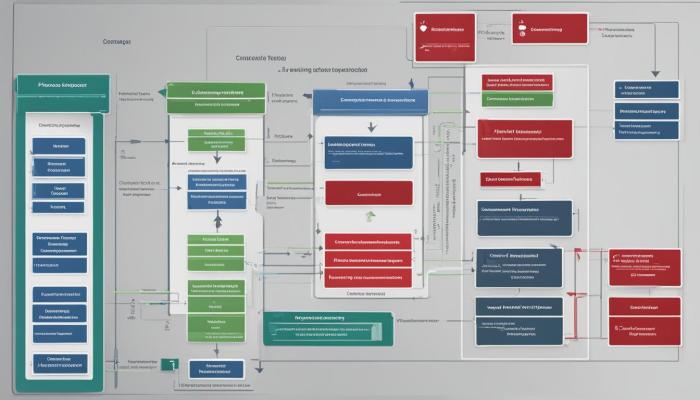
Imagine a timeline. At the beginning (left side), we see a waterfall model represented by a series of distinct, sequential steps, each with its own rigorous completion before moving to the next. The process is linear and rigid. Moving towards the middle, we see Agile methodologies emerging, represented by iterative cycles and incremental delivery. The image shows shorter feedback loops and increased collaboration. Finally, on the right side, we see the modern landscape dominated by DevOps and CI/CD. This is depicted by a continuous flow of automated processes, feedback loops, and continuous monitoring, with cloud-based platforms and microservices forming the foundation. The visual emphasizes the shift from rigid, sequential processes to fluid, automated, and iterative workflows, reflecting the continuous evolution of software delivery practices.
Security in Software Delivery
Source: 2wtech.com
Software delivery, while accelerating innovation, introduces significant security risks if not carefully managed. A robust security posture must be integrated throughout the entire software delivery lifecycle, from initial code commit to production deployment and beyond. Failing to do so can lead to costly breaches, reputational damage, and legal repercussions.
Common Security Vulnerabilities in Software Delivery
Several vulnerabilities commonly arise during software delivery. These vulnerabilities can stem from insecure coding practices, inadequate testing, or insufficient security controls throughout the pipeline. Understanding these vulnerabilities is crucial for implementing effective mitigation strategies.
- Insecure dependencies: Using outdated or vulnerable third-party libraries can introduce critical security flaws into the application.
- Unpatched vulnerabilities: Failing to update software components with security patches leaves applications exposed to known exploits.
- Misconfigured cloud services: Improperly configured cloud infrastructure can expose sensitive data or create access points for attackers.
- Lack of input validation: Insufficient input validation can lead to injection attacks (SQL injection, cross-site scripting, etc.).
- Weak authentication and authorization: Inadequate authentication and authorization mechanisms allow unauthorized access to sensitive resources.
Security Best Practices Across the Software Delivery Pipeline
Implementing security best practices at each stage of the software delivery pipeline is essential for minimizing vulnerabilities. A layered security approach is most effective.
- Code Development: Secure coding practices, code reviews, and static analysis tools should be used to identify and address vulnerabilities early in the development process.
- Build and Integration: Automated security testing, such as Software Composition Analysis (SCA) and dependency checking, should be incorporated into the CI/CD pipeline to identify vulnerabilities in dependencies.
- Testing: Comprehensive security testing, including penetration testing and dynamic application security testing (DAST), should be conducted before deployment.
- Deployment: Secure configuration management, infrastructure-as-code (IaC), and automated deployment processes minimize human error and ensure consistent security settings across environments.
- Monitoring and Response: Continuous monitoring of deployed applications and infrastructure is crucial for detecting and responding to security incidents promptly.
The Importance of Security Testing and Penetration Testing
Security testing and penetration testing are critical components of a robust software delivery security strategy. Security testing verifies the effectiveness of security controls, while penetration testing simulates real-world attacks to identify vulnerabilities. Regular penetration testing, especially by external ethical hackers, provides a valuable external perspective on security weaknesses.
The Role of Security Automation
Security automation plays a crucial role in enhancing the security posture of software delivery. Automating security tasks, such as vulnerability scanning, penetration testing, and security configuration checks, improves efficiency, consistency, and reduces human error. This allows security teams to focus on more complex tasks and strategic initiatives.
Examples of Security Incidents Related to Software Delivery and Their Impact
Several high-profile security incidents have highlighted the critical importance of secure software delivery. For example, the Equifax data breach in 2017, resulting from an unpatched Apache Struts vulnerability, exposed the personal information of millions of individuals, leading to significant financial losses and reputational damage. Similarly, numerous incidents involving insecure cloud configurations have resulted in data breaches and service disruptions. These examples demonstrate the potentially devastating consequences of neglecting software delivery security.
Conclusive Thoughts
Ultimately, successful software delivery hinges on a holistic approach that integrates robust methodologies, cutting-edge tools, and a strong emphasis on security. By embracing best practices, fostering collaboration, and adapting to emerging trends, organizations can ensure efficient, reliable, and secure software releases. Continuous improvement, driven by feedback and data analysis, remains the cornerstone of a thriving software delivery operation, ensuring products meet user needs and business objectives effectively.