
Ski resorts are stockpiling snow to get through warm winters – it’s the wild, white gold rush of our time! With climate change throwing snow days into a chaotic blender, resorts are getting creative, stockpiling the white stuff like it’s going out of style (because, let’s face it, it kind of is). From ingenious snow farming techniques to high-tech snowmaking, the fight to keep those slopes covered is on, and the stakes are higher than ever. This isn’t just about saving a season; it’s about the future of winter sports, and the surprising science behind keeping the snow falling.
This trend isn’t just about nostalgia for powder days; it’s a survival strategy. Rising temperatures mean shorter seasons and less natural snowfall, impacting resort revenue and the livelihoods of those who depend on them. This article dives into the innovative methods resorts are employing, the environmental considerations, the financial implications, and what the future holds for this increasingly crucial practice.
The Growing Trend of Snow Stockpiling
Source: co.uk
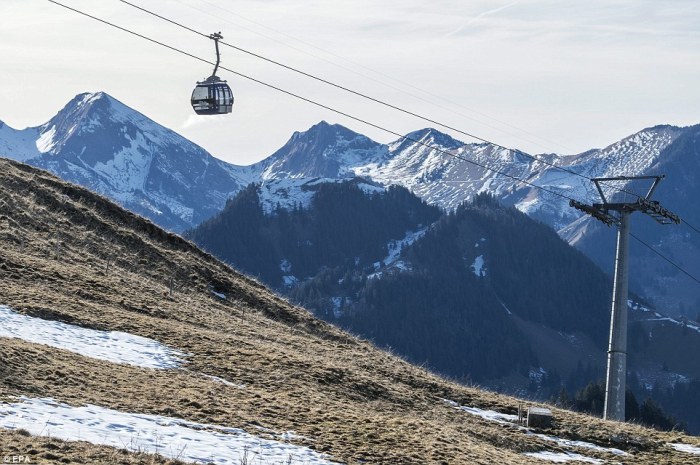
The ski industry, a multi-billion dollar enterprise heavily reliant on consistent snowfall, is facing a growing challenge: increasingly erratic and warmer winters. This has led to a significant upswing in snow stockpiling, a proactive measure designed to ensure resorts can maintain their operations and customer experience despite fluctuating weather patterns. The practice, once a niche strategy, is rapidly becoming a necessity for many resorts, particularly those located in regions experiencing more frequent and intense periods of warm weather.
Snow stockpiling is driven primarily by the undeniable impact of climate change. Rising global temperatures lead to shorter winter seasons, less snowfall, and increased instances of mid-winter thaws. These factors directly threaten the economic viability of ski resorts, prompting them to invest in innovative and increasingly sophisticated snow storage techniques. The need to secure a reliable snow supply for the entire ski season, thus guaranteeing the financial success of the resort and the enjoyment of skiers, is the primary driving force behind this trend.
Snow Storage Methods
Several methods exist for storing snow, each with its own advantages and disadvantages. The most common techniques involve strategic snow farming and advancements in snowmaking technology. Snow farming focuses on piling snow in strategic locations during the winter months, often in shaded areas or using specialized coverings to protect it from melting. This involves careful planning and management, taking into account factors such as snow density, sun exposure, and wind patterns. Improved snowmaking technologies utilize more energy-efficient equipment and techniques, allowing for the creation of a greater volume of snow, even under less-than-ideal conditions. This enables resorts to supplement naturally accumulated snow with artificially produced snow, extending the ski season and ensuring a consistent snow base.
Effectiveness and Cost-Efficiency of Snow Stockpiling Techniques
The effectiveness and cost-efficiency of different snow stockpiling methods vary significantly. Snow farming, while relatively inexpensive, depends heavily on natural snowfall and suitable storage locations. Its effectiveness is thus limited by the amount of snow that falls naturally during the winter season. The success of snow farming is also contingent on favorable weather conditions throughout the storage period. Conversely, while more expensive initially, improved snowmaking technologies offer greater control and reliability. Resorts using these technologies can produce a consistent supply of snow regardless of natural snowfall, making them less susceptible to the vagaries of weather patterns. The long-term cost-effectiveness, however, depends on factors such as energy costs, equipment maintenance, and the overall volume of snow needed. For example, a resort in a region with consistently low snowfall might find snowmaking to be a more cost-effective strategy in the long run than relying solely on snow farming, even with its higher initial investment. Conversely, a resort with ample natural snowfall might find snow farming to be a more efficient approach. The optimal strategy ultimately depends on a careful evaluation of a resort’s specific circumstances and resource availability.
Environmental Impact of Snow Stockpiling
Source: newscientist.com
Ski resorts are getting creative to combat warming winters, resorting to extreme measures like snow stockpiling. It’s a wild situation, almost as bizarre as the whole plaintext give this rich dude jeff lawson dollar the onion saga; you’d think someone would be hoarding that instead of the white stuff. Ultimately, the future of winter sports hinges on these desperate, yet strangely relatable, snow-saving strategies.
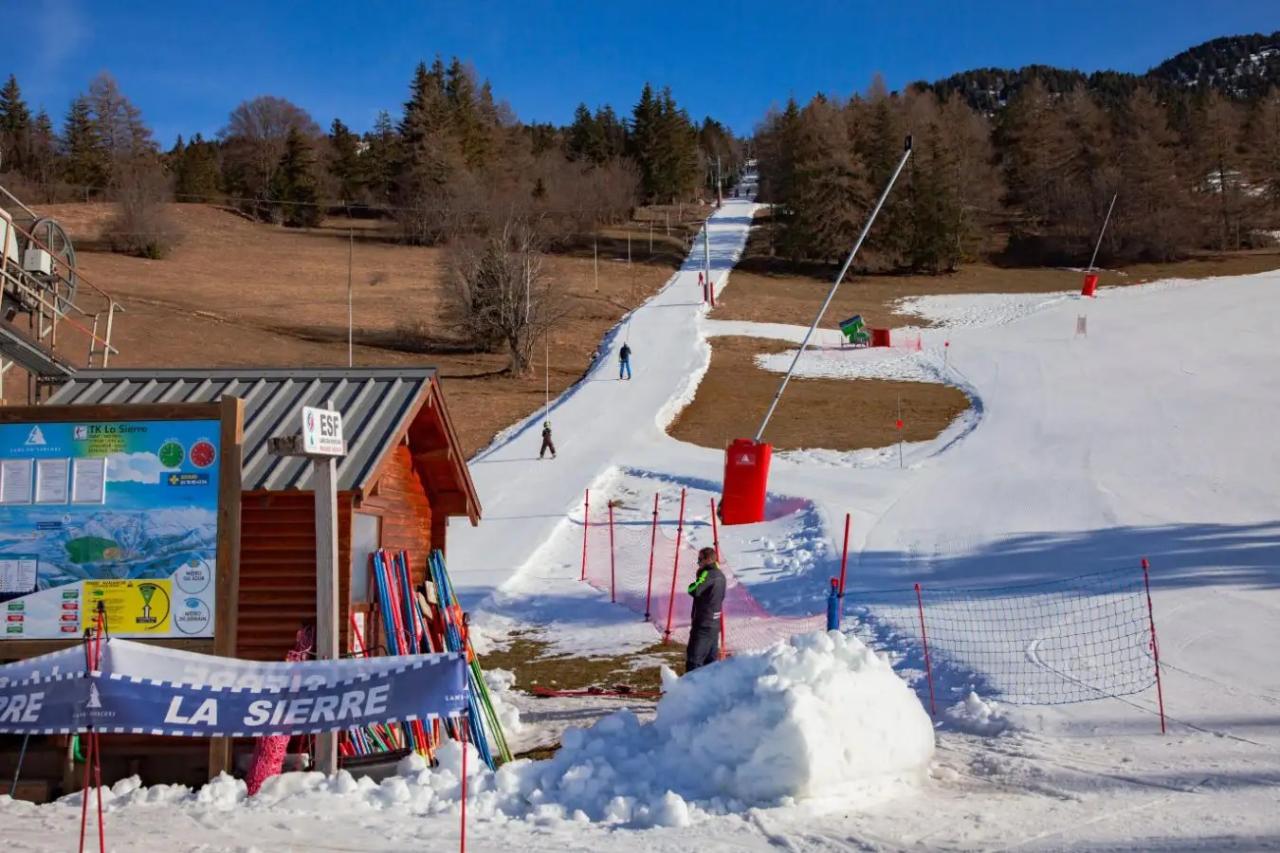
The increasingly erratic winter weather patterns are forcing ski resorts to adopt innovative, albeit potentially environmentally impactful, solutions like large-scale snow stockpiling. While ensuring a consistent ski season is crucial for their economic viability, the environmental consequences of these practices demand careful consideration. The process isn’t simply about piling up snow; it involves significant water usage, energy consumption, and potential disruption to local ecosystems.
The environmental footprint of snow stockpiling is multifaceted. Creating artificial snow requires substantial energy to power snowmaking machines, often reliant on fossil fuels, contributing to greenhouse gas emissions. Furthermore, the process consumes vast quantities of water, potentially stressing local water resources, particularly in already arid or semi-arid regions where many ski resorts are located. The large-scale storage of snow itself can alter drainage patterns and impact local hydrology. This can lead to changes in soil moisture, vegetation, and overall ecosystem health.
Water Usage and Energy Consumption in Snowmaking
Snowmaking is inherently energy-intensive. High-pressure pumps and fans require significant electricity, and the production of one cubic meter of snow can consume anywhere from 1 to 3 cubic meters of water, depending on the snowmaking technology and ambient conditions. For example, a resort needing to stockpile enough snow to cover a substantial area might consume millions of gallons of water and generate thousands of kilowatt-hours of electricity, translating into a significant carbon footprint. This high water usage can be especially problematic in regions facing water scarcity. Some resorts are attempting to mitigate this by utilizing more efficient snowmaking technologies and investing in renewable energy sources, but the energy demands remain considerable.
Impacts on Local Ecosystems
The construction of snow storage facilities and the process of snowmaking itself can directly impact local ecosystems. The physical alteration of the landscape through the creation of snow piles can disrupt natural drainage patterns and soil stability. The constant application of water for snowmaking can also alter soil composition and potentially lead to erosion. Furthermore, the use of chemicals in some snowmaking processes, while generally minimal, can pose a risk to local flora and fauna if not carefully managed. For instance, the introduction of de-icers or other additives could contaminate nearby water sources and negatively impact aquatic life. The potential for disruption to wildlife habitats through the physical presence of large snow piles and altered terrain should also be considered.
Sustainability Initiatives in Snow Stockpiling
Recognizing the environmental challenges, some ski resorts are actively pursuing sustainability initiatives. These include investing in energy-efficient snowmaking equipment, utilizing renewable energy sources such as solar and wind power to reduce reliance on fossil fuels, and implementing water conservation strategies. Some resorts are exploring water recycling systems to minimize water consumption. Furthermore, many are focusing on responsible land management practices during the construction and maintenance of snow storage facilities to minimize ecosystem disruption. These initiatives, while promising, are still in their early stages of development and require broader adoption to significantly mitigate the environmental impact of snow stockpiling.
Economic Implications of Snow Stockpiling
The increasing unpredictability of winter weather patterns is forcing ski resorts to consider innovative solutions to ensure consistent snow cover and maintain their economic viability. Snow stockpiling, while presenting a significant upfront investment, offers a potential pathway to mitigate the financial risks associated with unreliable snowfall and safeguard the resort’s bottom line. The economic impact, however, is complex and involves a careful assessment of both costs and potential returns.
Snow stockpiling represents a considerable financial undertaking for ski resorts. The initial investment includes the purchase or lease of specialized equipment like snowcats, bulldozers for piling, and potentially large-scale refrigeration systems for longer-term storage. Construction of storage facilities – which might range from simple piles covered with insulating materials to sophisticated, climate-controlled structures – also adds substantially to the overall cost. Ongoing maintenance, including regular compaction, insulation repair, and potential energy consumption for refrigeration, contributes to annual expenses. The scale of these investments varies greatly depending on the resort’s size, the desired snow volume, and the chosen storage method. Smaller resorts might opt for simpler, less expensive methods, while larger resorts may invest in more technologically advanced and expansive solutions.
Financial Investments in Snow Stockpiling Infrastructure
The cost of snow stockpiling infrastructure can be broken down into several key components. Equipment acquisition represents a significant initial outlay. High-powered snowcats capable of moving large volumes of snow efficiently can cost hundreds of thousands of dollars each. Bulldozers and other earth-moving equipment are also necessary for creating and maintaining the storage piles. Construction costs for storage facilities, if needed, can range from relatively modest sums for simple insulated piles to millions of dollars for sophisticated, climate-controlled structures. These structures may require specialized insulation, refrigeration systems, and robust drainage to prevent melt and structural damage. Ongoing maintenance includes regular compaction of snow piles to prevent settling and loss of volume, repair of any damage to insulation, and energy costs associated with refrigeration, if applicable. These annual maintenance costs can significantly impact the overall profitability of the snow stockpiling strategy.
Impact of Successful Snow Stockpiling on Resort Profitability
Successful snow stockpiling strategies can significantly enhance a resort’s profitability by ensuring consistent snow cover throughout the season, regardless of natural snowfall. This translates directly into increased skier visits and revenue from lift tickets, rentals, lessons, and food and beverage sales. A reliable snow base also attracts higher-spending tourists who are less likely to be deterred by unpredictable weather conditions. For example, a resort that successfully uses snow stockpiling to extend its season by a month might see a substantial increase in overall revenue, potentially exceeding the initial investment and annual maintenance costs within a few years. Furthermore, a consistent snow base can improve the resort’s reputation and attract more repeat customers, leading to long-term economic benefits. This increased predictability and reliability also allow for better marketing and planning, maximizing occupancy rates and optimizing resource allocation.
Risks and Challenges Associated with Snow Storage Solutions
Investing in snow storage solutions carries inherent risks. Unexpected equipment malfunctions, high energy costs associated with refrigeration, and potential damage to stored snow due to unforeseen weather events or design flaws are all possibilities. The initial investment can be substantial, potentially straining the resort’s finances. Furthermore, the effectiveness of snow stockpiling depends heavily on factors such as the chosen storage method, the quality of the stored snow, and the effectiveness of the insulation. Poorly planned or executed snow stockpiling strategies can lead to significant snow loss due to melting or compaction, resulting in a poor return on investment. Moreover, unforeseen environmental regulations or changes in technology could also impact the long-term viability of the chosen snow storage solution.
Return on Investment (ROI) Comparison of Snowmaking/Storage Techniques
| Method | Initial Investment | Annual Maintenance | Estimated ROI |
|---|---|---|---|
| Traditional Snowmaking | $500,000 – $2,000,000 | $50,000 – $200,000 | 5-10 years (highly variable depending on snowfall) |
| Snow Stockpiling (Simple Piles) | $200,000 – $1,000,000 | $20,000 – $100,000 | 3-7 years (dependent on snow loss and weather) |
| Snow Stockpiling (Refrigerated Storage) | $1,000,000 – $5,000,000+ | $100,000 – $500,000+ | 5-15 years (significant energy costs influence ROI) |
*Note: These figures are estimates and vary significantly based on resort size, location, and specific technologies employed. Actual ROI will depend on numerous factors including snowfall patterns, operational efficiency, and marketing strategies.*
Technological Advancements in Snow Management: Ski Resorts Are Stockpiling Snow To Get Through Warm Winters
The ski industry’s fight against warming winters is increasingly reliant on technological innovation. No longer is snowmaking a simple process of spraying water into the air; it’s a sophisticated operation involving precise weather forecasting, energy-efficient equipment, and data-driven optimization. Similarly, snow storage is evolving beyond simple piles, incorporating techniques to minimize melt and maximize longevity. This technological leap is crucial for resorts to maintain their operations and provide consistent snow conditions for skiers and snowboarders.
Advanced technology plays a vital role in improving both snowmaking efficiency and storage capabilities. More efficient snow guns use less energy and water to produce more snow, minimizing environmental impact while maximizing output. Sophisticated weather forecasting models, coupled with real-time snowpack monitoring, allow for precise snowmaking scheduling, ensuring snow is produced only when conditions are optimal. Meanwhile, advancements in snow storage involve the use of insulated covers, strategic terrain selection, and even the exploration of innovative materials that slow down snow melt.
Improved Snowmaking Efficiency
Modern snowmaking systems employ advanced techniques to optimize snow production. For instance, automated snow guns adjust their output based on real-time weather data, ensuring optimal snow crystal formation and minimizing water waste. This is a significant improvement over older systems that relied on manual adjustments and often produced sub-optimal snow. Furthermore, the incorporation of energy-efficient compressors and pumps significantly reduces the environmental footprint of snowmaking. Some resorts are even experimenting with renewable energy sources to power their snowmaking operations, further reducing their carbon emissions. The result is a higher quality, more sustainable snowmaking process.
Advanced Snow Storage Techniques
The challenge of storing snow for extended periods has spurred innovation in snow management. Resorts are employing various techniques to minimize snow melt during warmer months. This includes strategic snow piling in shaded areas, using insulated covers to reduce heat transfer, and even experimenting with methods to compact the snow to increase its density and resistance to melting. Some resorts are exploring the use of specialized geotextiles to further insulate the snow piles and reduce evaporation. In addition, the development of more accurate snowpack monitoring systems allows for better prediction of snowmelt rates, allowing for more proactive management strategies.
Technological Advancements in Snow Stockpiling
The following technological advancements have demonstrably contributed to more effective snow stockpiling:
Several technological innovations have significantly improved snow stockpiling. These advancements are not only enhancing the quantity of snow stored but also improving its quality and longevity.
- Automated Snowmaking Systems: These systems use sensors and weather data to optimize snow production, resulting in denser, more durable snow piles that are less susceptible to melting.
- Improved Snow Grooming Techniques: Advanced grooming equipment ensures even snow distribution and compaction within the snow piles, increasing their stability and reducing melt.
- Insulated Snow Covers: These covers, often made of geotextiles, significantly reduce heat transfer and evaporation, extending the lifespan of snow piles.
- Real-time Snowpack Monitoring: Sensors embedded within snow piles provide data on temperature, density, and moisture content, allowing for proactive management and early detection of potential melt problems.
- Predictive Modeling of Snowmelt: Sophisticated computer models use weather forecasts and snowpack data to predict snowmelt rates, enabling resorts to implement preventative measures.
Hypothetical Scenario: Optimizing Snow Management with Advanced Technology, Ski resorts are stockpiling snow to get through warm winters
Imagine a future ski resort utilizing a fully integrated snow management system. This system would incorporate advanced weather forecasting models, predicting snowmelt rates with high accuracy weeks in advance. Automated snowmaking systems would only operate during optimal conditions, producing high-quality snow with minimal energy consumption. Snow piles would be strategically located and covered with specialized geotextiles, minimizing melt and maximizing storage capacity. Real-time monitoring systems would provide continuous data on snowpack conditions, alerting managers to potential problems and enabling proactive interventions. This integrated system would significantly reduce water and energy usage, minimize environmental impact, and guarantee consistent snow conditions throughout the season, even during unusually warm winters. Such a system, while currently hypothetical for most resorts, represents the direction of future technological advancements in snow management.
The Future of Snow Stockpiling in the Ski Industry
Snow stockpiling, once a niche practice, is rapidly becoming a crucial strategy for ski resorts navigating the increasingly unpredictable realities of climate change. Its long-term viability hinges on several factors, including technological advancements, economic feasibility, and the overall trajectory of global warming. The future of this practice will determine the fate of many resorts, particularly those located in lower-elevation or traditionally less snow-reliable regions.
The long-term viability of snow stockpiling as a solution to climate change impacts is complex. While it offers a short-term buffer against warmer winters, it’s not a sustainable solution in itself. The energy consumption associated with snowmaking and storage is significant, contributing to the very problem it aims to mitigate. Furthermore, the effectiveness of stockpiled snow is dependent on consistent, cold temperatures throughout the winter season. Prolonged periods of unusually warm weather can still significantly reduce the lifespan and usability of stored snow, rendering large-scale stockpiling ultimately inefficient. However, its value lies in bridging the gap until more radical solutions, like carbon reduction initiatives, produce meaningful results.
Potential Adaptations and Innovations in Snow Management
Maintaining snow reliability in warmer winters requires a multi-pronged approach beyond simple snow stockpiling. This includes optimizing snowmaking efficiency through the use of more energy-efficient equipment and renewable energy sources. Research into novel snowmaking technologies, such as utilizing reclaimed water or developing snow crystals that require less energy to produce, is crucial. Additionally, improved snow storage techniques, such as utilizing insulated structures or employing advanced refrigeration systems, will be necessary to minimize snow melt and extend its usability. Integrating these advancements with sophisticated weather forecasting and snowpack management software will allow resorts to optimize their snowmaking and stockpiling strategies in real-time, responding dynamically to changing climate conditions.
A Vision of Future Snow Management at a Ski Resort
Imagine a future ski resort nestled in a mountain valley. The resort isn’t simply relying on natural snowfall; it’s a vibrant ecosystem of advanced snow management. A sprawling network of underground tunnels, insulated and climate-controlled, serves as vast snow storage facilities. These tunnels are strategically located near the slopes and connected by a sophisticated system of automated conveyor belts, efficiently transporting snow to where it’s needed. Above ground, strategically placed, energy-efficient snowmaking machines, powered by solar and wind energy, continuously replenish the snow reserves. The resort employs advanced weather forecasting and snowpack modeling software, constantly adjusting snowmaking and distribution based on real-time data and predictive modeling. The snow itself is enhanced, perhaps with additives that improve its durability and longevity in warmer temperatures. The overall aesthetic is one of seamless integration; the technology is hidden, allowing the natural beauty of the mountain landscape to remain the focus. This resort represents a successful adaptation to climate change, where technological innovation ensures the longevity of the winter sports industry.
Public Perception and Communication
Ski resorts face a growing challenge: balancing the public’s desire for reliable snow conditions with concerns about the environmental impact of snowmaking and snow stockpiling. Effective communication is crucial for maintaining public trust and ensuring the long-term viability of the industry. Transparency, proactive engagement, and a focus on sustainability are key to navigating this complex landscape.
Successful communication strategies involve more than simply stating facts; they require building relationships with stakeholders and demonstrating a commitment to responsible practices. This includes addressing concerns directly, providing clear and accessible information about snow management techniques, and showcasing the resort’s efforts to minimize environmental impact.
Successful Public Relations Campaigns
Several ski resorts have successfully addressed public concerns through targeted public relations campaigns. For example, some resorts have launched educational initiatives detailing their water conservation efforts, highlighting the use of recycled water for snowmaking and showcasing investments in energy-efficient snow guns. Others have partnered with environmental organizations to conduct independent audits of their snowmaking practices, demonstrating a commitment to transparency and accountability. These campaigns often involve engaging visuals, such as videos showcasing the snowmaking process and infographics illustrating water usage data, to make complex information more accessible to the public. A successful campaign might also include community events, open houses at snowmaking facilities, and social media engagement to foster dialogue and build trust.
The Importance of Transparency in Communicating About Snow Management Practices
Transparency is paramount in building and maintaining public trust. Openly sharing information about snowmaking techniques, water sources, energy consumption, and environmental monitoring data allows the public to understand the resort’s practices and assess their environmental impact. This includes being upfront about potential drawbacks and actively addressing any concerns or criticisms. A commitment to transparency fosters a sense of accountability and builds credibility with customers, who are increasingly concerned about the environmental and social responsibility of the businesses they support. Resorts that actively engage with the public, respond to questions honestly, and demonstrate a commitment to continuous improvement are more likely to gain and retain public support. For instance, a resort might publish an annual sustainability report detailing its snow management practices and environmental performance, making this information readily available on its website and social media channels.
Closing Summary

Source: snowbrains.com
The battle for winter’s survival is far from over, but the ingenuity and adaptation shown by ski resorts in their snow stockpiling efforts are truly remarkable. While challenges remain, from environmental concerns to economic hurdles, the commitment to preserving the winter sports experience is clear. The future of skiing might look a little different, with a blend of technology and nature working hand-in-hand, but one thing’s for sure: the pursuit of perfect powder will continue, no matter how warm the winters get.
