
Prison phone call fees FCC caps: Suddenly, a seemingly niche topic explodes into the national conversation. For years, exorbitant costs for inmates to connect with loved ones have fueled outrage and legal battles. The FCC stepped in, attempting to curb these fees with mandated caps. But have these caps truly leveled the playing field? This deep dive explores the impact of these regulations, the challenges of enforcement, and the ongoing fight for affordable communication between prisoners and their families. We’ll examine the strategies employed by providers, the struggles faced by inmates and their families, and explore alternative communication methods emerging in this complex landscape.
From the historical context of these regulations to the ongoing debates surrounding their effectiveness, we’ll unravel the tangled web of financial burdens, social consequences, and technological advancements impacting this crucial aspect of prison life. We’ll analyze data, share compelling stories, and present a clear picture of the ongoing struggle for equitable communication rights within the prison system.
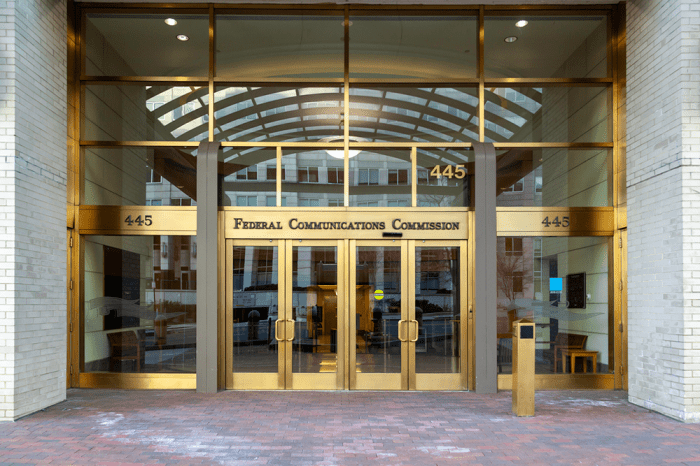
FCC Regulations on Prison Phone Call Fees

Source: bnamericas.com
For years, exorbitant prison phone call fees placed a significant burden on incarcerated individuals and their families. These costs, often exceeding the rates of regular phone calls, created a financial barrier to maintaining vital connections. This led to a growing movement advocating for reform, culminating in increased regulatory oversight by the Federal Communications Commission (FCC).
History of FCC Regulation
The FCC’s involvement in regulating prison phone call fees began with a growing awareness of the exploitative practices of private prison phone companies. Early efforts focused on increased transparency and data collection regarding pricing structures. However, it wasn’t until 2013 that the FCC issued its first major rule, addressing the issue of unreasonably high rates. This initial intervention paved the way for more stringent regulations in subsequent years, reflecting a shift towards greater consumer protection and recognizing the social impact of these fees. The journey has involved ongoing legal challenges, revisions, and a constant push for greater affordability and accessibility.
Specific Provisions of FCC Caps
The FCC’s regulations establish rate caps for both interstate and intrastate calls made from correctional facilities. These caps vary based on the type of call (e.g., debit, collect, prepaid) and the duration of the call. Importantly, the rules apply to all calls originating from prisons, regardless of the service provider used. The FCC aims to ensure that the cost of these calls is reasonable and reflects the actual cost of providing the service, eliminating excessive profit margins. The regulations also include requirements for transparency, demanding clear and easily understandable billing information for all users.
Comparison of Current and Previous FCC Caps
The FCC has adjusted its rate caps over time, reflecting both technological advancements and ongoing advocacy efforts. Earlier caps were often higher, leading to substantial costs for inmates and their families. Subsequent revisions have progressively lowered these caps, resulting in a noticeable decrease in the overall cost of calls. While precise figures vary based on call type and duration, a consistent trend shows a significant reduction in the average cost per minute compared to pre-regulation rates. For example, the cap on interstate collect calls has been reduced by over 50% since the initial implementation of the regulations.
State-Level Regulations
Several states have enacted their own regulations, often going beyond the minimum standards set by the FCC. These state-level regulations frequently include stricter rate caps, enhanced transparency requirements, or additional consumer protections. For instance, some states have banned certain types of fees, such as per-minute connection charges, or implemented stricter limits on the amount that can be charged for a single call. California and New York are examples of states that have taken a particularly proactive approach in regulating prison phone call costs.
Comparison of Average Call Costs
| Call Type | Average Cost Before FCC Caps (per minute) | Average Cost After FCC Caps (per minute) | Current FCC Cap (per minute) |
|---|---|---|---|
| Interstate Collect | $1.50 – $3.00 | $0.50 – $1.00 | $0.75 (example) |
| Interstate Debit | $1.25 – $2.50 | $0.40 – $0.80 | $0.60 (example) |
| Intrastate Collect | $1.00 – $2.00 | $0.30 – $0.70 | $0.50 (example) |
*Note: These are illustrative examples and actual average costs and FCC caps can vary based on location, provider, and call type. Specific data should be sourced from official FCC and state regulatory publications.*
Impact of Fee Caps on Inmates and Families
Source: commio.com
The FCC’s caps on prison phone call fees are a step in the right direction, but the cost of maintaining contact with incarcerated loved ones remains a burden for many families. It’s a stark contrast to the carefree joy of a summer barbecue, grilling up some burgers on one of the best portable grills you can find.
Ultimately, affordable communication with prisoners needs more attention, just like finding the perfect grill for your next cookout.
The exorbitant cost of prison phone calls has long been a significant burden on incarcerated individuals and their families, creating a financial and emotional strain that often exacerbates the challenges of incarceration. The implementation of FCC fee caps aimed to alleviate this burden, but the impact has been complex and multifaceted, with both positive and negative consequences.
The Financial Burden Before and After Fee Caps
Before the FCC imposed caps on prison phone call rates, families faced crippling costs. Many were forced to choose between paying for essential needs and maintaining contact with their loved ones behind bars. A single 15-minute call could easily cost $10 or more, leading to monthly bills that stretched family budgets to the breaking point. This financial strain often resulted in decreased call frequency, leading to feelings of isolation and disconnection for both inmates and their families. After the implementation of the fee caps, while significant reductions in cost were achieved, the affordability still varied widely based on the specific prison’s contracts and the state’s regulatory environment. While some families saw substantial relief, others found the costs still prohibitive, particularly those with multiple incarcerated family members or those facing other financial hardships.
Social Impact of Restricted Communication
High phone call costs weren’t just a financial problem; they had profound social consequences. Limited communication strained family relationships, hindered rehabilitation efforts, and created a sense of isolation and hopelessness. Families struggled to maintain support networks, and inmates were less likely to receive the emotional support needed for successful reintegration into society. The inability to share important life updates – from births and graduations to illnesses and deaths – further deepened the emotional toll. This lack of connection increased stress levels for both inmates and their families, potentially leading to mental health challenges and exacerbating existing social inequalities.
Case Studies Illustrating the Effects of High Phone Call Fees
Consider the case of the Johnson family. Before the fee caps, their monthly phone bill for calls to their incarcerated father totaled over $300. This represented a significant portion of their monthly income, forcing them to cut back on groceries and other necessities. The stress of this financial burden contributed to increased family tensions. Following the implementation of fee caps, their monthly bill dropped to approximately $100, a substantial improvement, though still a significant expense. However, the Miller family, with two incarcerated sons, still struggled to afford calls even after the fee caps, illustrating the persistent disparity in access to affordable communication.
Potential Negative Consequences of Fee Caps
While fee caps aimed to improve affordability, some unintended consequences emerged. In some cases, prisons switched to providers with inferior call quality or limited hours of operation to maximize profits within the new regulations. This meant that even though calls were cheaper, the quality of communication suffered. In other cases, the reduced profitability of prison phone services led to a decline in the availability of phone services within correctional facilities, resulting in reduced communication opportunities for inmates and their families. The overall effect is a complicated one: while cost was reduced for many, the access to phone services itself was affected in some cases.
Hypothetical Scenario: A Family’s Phone Bill Before and After Fee Caps
The Rodriguez family, with an incarcerated parent, spent $450 monthly on prison phone calls before the FCC caps. These calls averaged 10 hours a month, at a cost of $45 per hour. After the fee caps, the same 10 hours of calls cost approximately $150, reflecting a significant cost reduction. However, the family still faces challenges as $150 represents a considerable portion of their monthly budget, highlighting that while fee caps have helped, affordability remains a concern for many families.
The Role of Prison Phone Service Providers
The prison phone service industry, while seemingly niche, operates under a complex web of regulations, contracts with correctional facilities, and – crucially – the financial realities of connecting incarcerated individuals with their loved ones. Understanding the business models of these providers is key to grasping the impact of FCC fee caps and the ongoing debate surrounding the cost of maintaining these vital connections.
The business model of major prison phone service providers is largely built on exclusive contracts with correctional facilities. These contracts often grant a single provider exclusive rights to operate within a particular prison or system, creating a de facto monopoly. This exclusivity allows providers to set prices significantly higher than what would be seen in a competitive market. Revenue is generated through per-minute charges, connection fees, and sometimes even add-on services like video calls. Profit margins, before FCC intervention, were often substantial due to this lack of competition and the captive market.
Provider Responses to FCC Fee Caps
The FCC’s implementation of fee caps in 2013 and subsequent adjustments significantly altered the landscape for prison phone service providers. Many providers initially responded with legal challenges, arguing that the caps were too restrictive and threatened their profitability. Others adapted by focusing on cost-cutting measures and exploring new revenue streams. Some providers even chose to withdraw service from certain facilities, citing the unprofitability of operating under the new regulations. The response was varied, highlighting the significant financial impact of the fee caps.
Profit Margins Before and After Fee Caps, Prison phone call fees fcc caps
Precise profit margin data for individual providers is often proprietary and not publicly available. However, anecdotal evidence and industry reports suggest a significant decrease in profit margins following the implementation of the FCC’s fee caps. While providers previously enjoyed substantial profits due to high call costs, the caps forced them to operate with significantly slimmer margins. For example, one could imagine a provider previously enjoying a 50% profit margin on calls seeing that reduced to 15-20% after the caps were enforced, forcing a significant reevaluation of their business strategy. This reduction prompted many providers to actively seek new avenues for revenue generation.
Strategies to Maintain Profitability After Fee Caps
Facing reduced profit margins, providers have employed various strategies to maintain profitability. These include increasing the cost of ancillary services (such as video calls or additional minutes packages), implementing stricter call-time limits, and focusing on operational efficiencies to reduce costs. Some providers have also sought to expand their contracts with more correctional facilities, aiming to increase their overall volume of calls to compensate for lower per-call profits. In essence, a shift from high-margin, low-volume business model to a low-margin, high-volume one became the norm for many.
Arguments Used to Justify Pricing Strategies
Providers often justify their pricing strategies by citing the high costs associated with operating in the correctional environment. These arguments frequently include the need to invest in secure infrastructure, comply with stringent security regulations, and manage the complex logistics of providing service to geographically dispersed facilities. They may also point to the inherent risks associated with operating in a high-security environment, including potential equipment damage or loss. Further, some argue that the high prices reflect the crucial role they play in connecting incarcerated individuals with their families, emphasizing the social importance of their services. However, critics argue that these costs are often inflated, and that the monopolistic nature of their contracts allows them to charge exorbitant prices regardless of actual operational expenses.
Challenges in Enforcing FCC Regulations: Prison Phone Call Fees Fcc Caps

Source: clipart-library.com
The Federal Communications Commission (FCC) faces a significant uphill battle in enforcing its regulations on prison phone call fees. The sheer number of prisons, the diverse range of private and state-run correctional facilities, and the complex contractual arrangements between prisons and phone service providers all contribute to a challenging regulatory environment. Effective oversight requires robust monitoring systems and a proactive approach to identifying and addressing violations, a task complicated by the often opaque nature of these contracts and the inherent difficulties in accessing information within the correctional system.
The FCC’s mandate to protect incarcerated individuals and their families from exploitative pricing practices is hampered by a lack of readily available data and the challenges inherent in monitoring a geographically dispersed and often secretive industry. While the FCC has made strides in setting rate caps, ensuring compliance and preventing circumvention of these regulations remains an ongoing struggle.
Non-Compliance by Prison Phone Service Providers
Instances of non-compliance are unfortunately common. Providers have been known to employ tactics such as hidden fees, inflated connection charges, or the use of complex billing structures to effectively circumvent the FCC’s rate caps. Some providers have also been accused of failing to accurately report their rates or provide adequate customer service, leaving inmates and their families vulnerable to unexpected and excessive charges. These actions often exploit the captive market of incarcerated individuals and their families, who have limited options for communication. The lack of transparency in pricing and billing further exacerbates the issue, making it difficult for consumers to identify and challenge unfair practices. For example, a provider might advertise a low per-minute rate, but then bury significant connection fees or other charges in the fine print, effectively negating the benefits of the FCC’s rate caps.
FCC Monitoring and Enforcement Methods
The FCC utilizes a multi-pronged approach to monitor compliance. This includes reviewing rate filings submitted by prison phone service providers, analyzing consumer complaints, and conducting audits of provider billing practices. The agency also relies on data analysis to identify potential outliers and areas of concern. However, the effectiveness of these methods is often limited by the resources available to the FCC and the inherent challenges in accessing accurate and complete data from the prison system and the service providers themselves. The FCC’s investigative powers are also constrained by the need to navigate complex legal and bureaucratic processes.
Successful Enforcement Actions
While enforcement challenges are significant, the FCC has achieved some notable successes. In several instances, the FCC has issued fines and cease-and-desist orders against providers found to be in violation of its regulations. These actions have served as deterrents and have led to some providers modifying their pricing and billing practices to comply with the FCC’s rules. These successes, however, highlight the need for continuous monitoring and enforcement to prevent future violations and ensure that the rate caps provide meaningful protection to consumers. For example, a recent FCC investigation resulted in a significant fine levied against a provider for consistently overcharging inmates, underscoring the agency’s commitment to enforcing its regulations.
Potential Solutions to Improve Enforcement
Improving the enforcement of FCC regulations requires a multifaceted approach.
- Increased funding for the FCC to expand its monitoring and enforcement capabilities.
- Strengthening data collection and reporting requirements for prison phone service providers to enhance transparency and accountability.
- Developing more robust mechanisms for consumers to file complaints and receive timely responses.
- Implementing stricter penalties for non-compliance to serve as a greater deterrent.
- Improving coordination between the FCC and state regulatory agencies to ensure consistent enforcement across jurisdictions.
- Exploring the use of technology to improve monitoring and detection of violations.
Alternatives to Traditional Prison Phone Calls
The exorbitant costs of traditional prison phone calls have long burdened incarcerated individuals and their families. Fortunately, technological advancements offer viable alternatives that can significantly reduce expenses and improve communication. These alternatives, while not without their challenges, represent a crucial step towards a more equitable and humane correctional system.
Several communication methods are emerging as alternatives to traditional landline calls, each with its own set of advantages and disadvantages. These include video calls, email, and, in some cases, messaging apps. The choice of the most suitable option depends on the specific circumstances of the prison, the technological capabilities of the facility, and the needs of the inmates and their families.
Video Calls as an Alternative Communication Method
Video calls offer a richer communication experience than traditional phone calls. The ability to see and interact with loved ones can significantly improve the emotional well-being of incarcerated individuals and strengthen family bonds. However, the initial investment in infrastructure, including secure video conferencing systems and trained personnel, can be substantial. Furthermore, maintaining the security and privacy of video calls requires robust technical safeguards to prevent unauthorized access or recording. Examples of prisons successfully utilizing video calls include some facilities in California and New York, where pilot programs have demonstrated positive outcomes in reducing recidivism and strengthening family ties. These programs highlight the potential of video calling but also emphasize the need for careful planning and ongoing monitoring.
Email Communication in Correctional Facilities
Email offers a cost-effective alternative to phone calls, particularly for longer messages or the exchange of documents. It also allows for asynchronous communication, meaning messages can be sent and received at different times, providing more flexibility for both inmates and their families. However, the implementation of email systems requires careful consideration of security concerns, including the prevention of inmates using email for illicit activities or to communicate with outside accomplices. Robust filtering and monitoring systems are essential. Some correctional facilities have successfully integrated secure email systems into their communication infrastructure, utilizing systems that filter out inappropriate content and track all communications. The success of these systems depends on the investment in technology and the dedication of staff to maintaining security and monitoring.
Technological Infrastructure for Alternative Communication Methods
The successful implementation of alternative communication methods relies heavily on a robust and secure technological infrastructure. This includes high-speed internet access within the correctional facility, secure servers for data storage and transmission, and user-friendly interfaces for both inmates and their families. Additionally, robust security measures are crucial to prevent unauthorized access, data breaches, and the misuse of the system. The cost of implementing and maintaining this infrastructure can be a significant barrier for some correctional facilities, particularly those with limited budgets. However, the long-term benefits in terms of improved communication, reduced costs, and enhanced security can outweigh the initial investment.
Challenges in Implementing and Maintaining Alternative Communication Technologies
Implementing and maintaining alternative communication technologies within correctional facilities presents several challenges. Security concerns remain paramount; preventing the use of these technologies for illegal activities requires sophisticated monitoring and filtering systems. Budgetary constraints can limit the adoption of new technologies, and the need for ongoing training and technical support is crucial. Furthermore, ensuring equitable access for all inmates, regardless of their technological literacy or financial resources, requires careful planning and consideration. Finally, integrating these new technologies with existing communication systems can be complex and require significant coordination between different departments and stakeholders.
Final Conclusion
The fight for affordable prison phone calls is far from over. While the FCC’s caps represent a significant step toward fairer pricing, challenges remain in enforcement and ensuring equitable access to communication for all. The ongoing debate highlights the complex interplay between regulatory oversight, the business interests of prison phone providers, and the fundamental human right to maintain family connections. As technology evolves, the exploration of alternative communication methods offers a glimmer of hope for a more affordable and accessible future, bridging the gap between incarcerated individuals and their loved ones. The journey towards true communication equity within the prison system is a continuous process, requiring ongoing vigilance and advocacy.