
Kvm monitors built in switch – KVM monitors built-in switch: Sounds futuristic, right? Actually, it’s a seriously slick way to streamline your workspace. Imagine controlling multiple computers from a single monitor and keyboard – no more frantic cable-switching or desk-hogging setups. This isn’t just for tech wizards; it’s a game-changer for anyone juggling multiple devices. We’re diving deep into the world of integrated KVM switches, exploring their features, benefits, and everything you need to know before taking the plunge.
From understanding the different types of KVM switches (USB, PS/2, IP-based) to mastering the setup process and troubleshooting common issues, we’ll equip you with the knowledge to make an informed decision. We’ll also weigh the pros and cons, compare models, and explore how these systems boost productivity across various industries. Get ready to ditch the desktop chaos and embrace a cleaner, more efficient workflow.
KVM Switch Functionality and Features
KVM switches, especially those integrated into monitors, are game-changers for anyone juggling multiple computers. Imagine effortlessly switching between your work laptop, gaming rig, and media center with a single click – that’s the power of a KVM switch. These nifty devices streamline your workspace, eliminating the need for multiple keyboards, mice, and monitors.
KVM switches essentially act as a central hub, allowing a single set of peripherals to control multiple computers. The built-in variety offers the ultimate convenience, neatly integrating this functionality directly into your monitor, minimizing desk clutter and maximizing efficiency.
Types of KVM Switches
KVM switches come in several flavors, each catering to different needs and setups. Understanding these differences is key to choosing the right one for your specific configuration. The most common types are USB, PS/2, and IP-based. USB KVM switches are the most prevalent today, offering broad compatibility and high-speed data transfer for peripherals. PS/2 switches are older technology, typically supporting older keyboards and mice, while IP-based KVM switches allow control of computers across a network, offering remote access capabilities.
Performance Characteristics of KVM Switch Technologies
The performance of a KVM switch hinges on several factors, including the type of switch, the number of connected devices, and the resolution of the connected monitors. USB KVM switches generally offer better performance than PS/2, boasting faster data transfer rates and support for higher resolutions. IP-based switches can introduce latency depending on the network’s speed and stability, which might be noticeable for tasks requiring real-time responsiveness, like gaming. Higher-end KVM switches often incorporate features like video compression to mitigate performance issues when switching between high-resolution displays and multiple computers.
Comparison of KVM Monitors with Built-in Switches
Choosing the right KVM monitor can be overwhelming given the variety of options. This table highlights key features of four popular models, allowing for a direct comparison to aid your decision-making process. Remember to check the specifications of any model before purchasing to ensure compatibility with your specific hardware and desired resolution.
| Model | Number of Ports | Supported Resolutions | Video Interfaces |
|---|---|---|---|
| Example KVM Monitor A | 2 | Up to 4K @ 60Hz | DisplayPort, HDMI |
| Example KVM Monitor B | 4 | Up to 2K @ 144Hz | DisplayPort, HDMI, USB-C |
| Example KVM Monitor C | 2 | Up to 1080p @ 60Hz | VGA, DVI, HDMI |
| Example KVM Monitor D | 4 | Up to 4K @ 120Hz | DisplayPort, HDMI, USB-C, Thunderbolt |
Technical Specifications and Compatibility
Source: kvm-switch.de
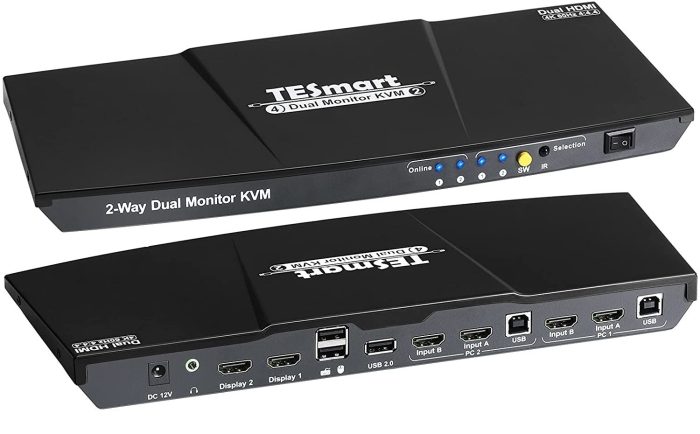
Choosing the right KVM monitor with an integrated switch involves understanding its technical specifications and ensuring compatibility with your existing setup. Ignoring these details can lead to frustrating compatibility issues and suboptimal performance. Let’s dive into the nitty-gritty.
The technical specifications of KVM switches vary widely depending on the manufacturer and the intended use case. Understanding these specifications is crucial for a smooth and efficient multi-computer workflow.
Supported Video Resolutions and Refresh Rates
Video resolution and refresh rate are paramount to a satisfying user experience. A KVM switch that doesn’t support your monitor’s native resolution will result in a blurry, pixelated image. Similarly, a low refresh rate will lead to noticeable lag and screen tearing, especially during graphically intensive tasks. High-end KVM switches often support resolutions up to 4K (3840 x 2160 pixels) and refresh rates of 60Hz or even higher. Budget-friendly options might only support 1080p (1920 x 1080 pixels) at 60Hz. Always check the specifications to ensure compatibility with your monitor’s capabilities. For example, a KVM switch supporting only 1080p will not work optimally with a 4K monitor, resulting in a downscaled image.
Operating System and Peripheral Compatibility
KVM switches need to be compatible with the operating systems of the computers you intend to connect. Most modern KVM switches support Windows, macOS, and Linux, but it’s always wise to double-check the manufacturer’s specifications. Peripheral compatibility is another key factor. Ensure the KVM switch supports the types of keyboards, mice, and other USB peripherals you use. Some KVM switches might have limitations on USB device speed or support for specific USB standards. For instance, a KVM switch might support standard USB devices but not high-speed USB 3.0 devices, leading to slow data transfer speeds for those peripherals.
Number of Supported Computers and Ports
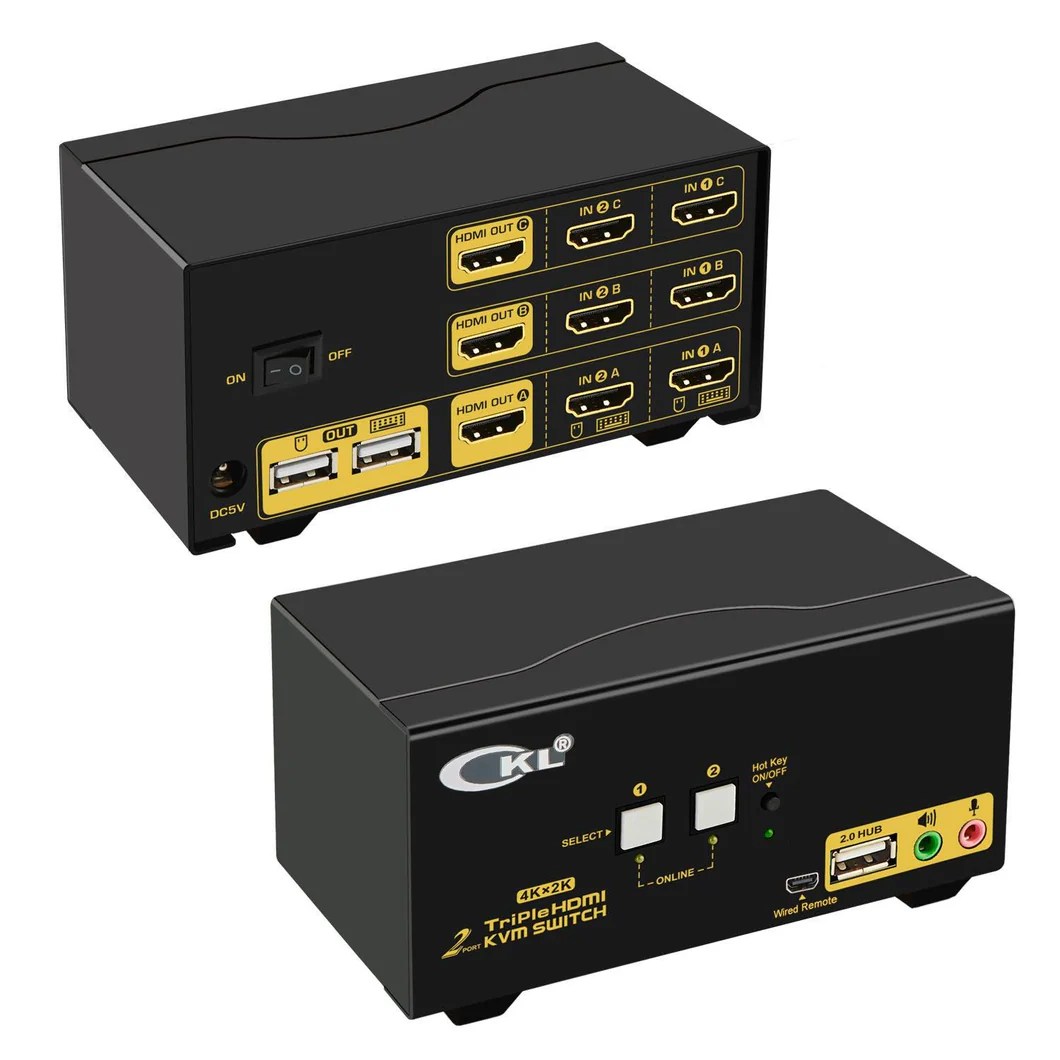
The number of computers a KVM switch can support is a critical specification. This ranges from simple two-computer switches to more advanced solutions capable of handling dozens of computers. The number of available USB ports also influences the number of peripherals you can connect. A KVM switch with fewer USB ports might limit the number of peripherals you can use simultaneously. Consider future expansion needs when selecting a KVM switch, as upgrading later can be inconvenient and costly. A KVM switch with two computer ports and two USB ports would be suitable for a user with two computers and limited peripherals, while a KVM switch with four computer ports and ten USB ports would be suitable for a more demanding user.
Signal Path in a KVM Switch Setup
A clear understanding of the signal path is essential for troubleshooting.
The following flowchart illustrates a typical signal path:
Computer 1 –> KVM Switch (Input Port 1) –> KVM Switch (Processing Unit) –> KVM Switch (Output Port) –> Monitor
Computer 2 –> KVM Switch (Input Port 2) –> KVM Switch (Processing Unit) –> KVM Switch (Output Port) –> Monitor
The KVM switch’s processing unit selects the signal from the desired computer and routes it to the monitor. The keyboard and mouse signals also pass through the KVM switch before reaching the selected computer.
KVM monitors with built-in switches are seriously slick, streamlining your workspace. But managing all those digital files? That’s where cloud storage comes in handy, like what you get with Google One; check out this article explaining what is google one to see how it helps. Back to those KVM switches – the extra desk space alone is worth the upgrade, right?
Setup and Configuration
Setting up your KVM monitor with a built-in switch is surprisingly straightforward, even for tech novices. This section provides a clear, step-by-step guide to get you up and running, along with troubleshooting tips and best practices for maintaining peak performance. Think of it as your ultimate KVM setup survival guide.
The process involves connecting your computers and peripherals to the KVM switch, then configuring the switch itself to recognize and control the connected devices. This might seem daunting at first, but with our guide, you’ll be switching between your computers like a pro in no time.
Connecting Multiple Computers to a Single KVM Monitor
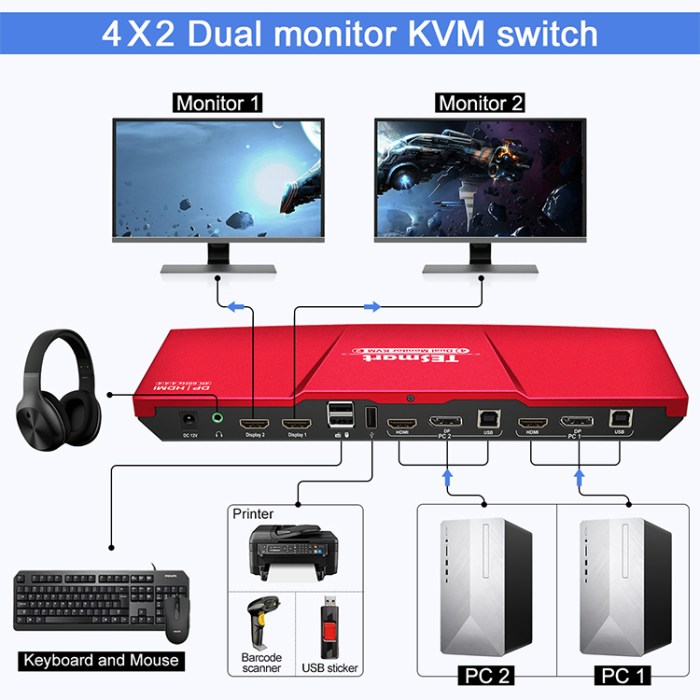
This process involves plugging in the cables – that’s it! Seriously. First, connect the USB cables from each computer to the USB ports on the KVM switch. Then, connect the video cables (HDMI, DisplayPort, DVI, etc.) from each computer to the corresponding ports on the KVM switch. Finally, connect the KVM switch’s video output cable to your monitor and the USB output cable to your keyboard and mouse. Each computer will have its own dedicated set of cables. Once connected, the KVM switch should automatically detect the connected computers. If not, refer to your KVM switch’s manual for specific instructions on device detection.
Step-by-Step Setup Guide
- Gather your equipment: This includes your KVM switch, monitor, keyboard, mouse, and the computers you want to connect.
- Connect the computers to the KVM switch: Use the appropriate cables (USB and video) to connect each computer to the KVM switch. Make sure to match the cable types to the ports on both the computers and the switch.
- Connect the KVM switch to the monitor: Use the video cable from the KVM switch’s output port to connect it to your monitor’s input port.
- Connect the keyboard and mouse: Plug your keyboard and mouse into the USB ports on the KVM switch.
- Power on your devices: Turn on all your connected computers and the monitor. The KVM switch should automatically detect the connected computers. You might need to consult the KVM switch’s manual for specific power-on sequences if you encounter issues.
- Test the connections: Try switching between your computers using the KVM switch’s selector buttons or hotkeys (consult your manual for specific instructions).
Troubleshooting Common Setup Issues
Sometimes, things don’t go exactly as planned. Here are some common problems and their solutions:
Troubleshooting is crucial for a smooth KVM experience. Many issues stem from simple connection errors or driver problems. Always check the most obvious things first before digging deeper.
- No display: Check all cable connections to ensure they are securely plugged in. Verify that the correct video input source is selected on your monitor. Ensure that all devices are powered on correctly. Try different video cables or ports if available.
- Keyboard and mouse not working: Check the USB connections to the KVM switch and ensure that the correct USB ports are being used. Try a different keyboard and mouse to rule out faulty peripherals. Check your computer’s device manager for any driver errors related to the keyboard and mouse.
- KVM switch not detecting computers: Refer to your KVM switch’s manual for instructions on how to manually add or detect computers. Try restarting the computers and the KVM switch.
- Signal interference or image quality issues: Ensure that all cables are properly shielded and away from other electronic devices that could cause interference. Try using higher-quality cables if necessary. Consider the distance of the cables and if signal degradation could be a factor.
Best Practices for Maintaining Optimal Performance
Regular maintenance is key to a long-lasting, smooth-running KVM setup. Here are some tips:
Following these best practices will ensure your KVM switch remains reliable and efficient for years to come. Regular cleaning and software updates prevent many common issues.
- Keep cables organized: Neatly organize your cables to prevent tangles and accidental disconnections. Proper cable management prevents damage and interference.
- Regularly clean the KVM switch: Dust and debris can accumulate over time, affecting performance. Gently clean the switch using a compressed air duster or a soft cloth.
- Update the firmware: Check the manufacturer’s website for firmware updates to improve performance and stability. Outdated firmware can lead to compatibility issues and performance problems.
- Avoid overloading the KVM switch: Don’t connect more devices than the KVM switch is rated for. Overloading can lead to instability and performance issues.
Advantages and Disadvantages
So, you’re thinking about a KVM monitor with a built-in switch? Smart move! It promises a cleaner desk and potentially simpler setup. But like any tech decision, there are upsides and downsides to consider. Let’s dive into the details to help you make the right choice.
Cost-Effectiveness Analysis
Choosing between a KVM monitor with a built-in switch and a separate KVM switch and monitor setup boils down to a cost-benefit analysis. Integrated units often come with a higher upfront cost. However, they save on the expense of purchasing a separate KVM switch and potentially simplify installation, reducing labor costs. The long-term cost-effectiveness depends on your specific needs and the number of devices you need to connect. For a small setup with only a couple of computers, the integrated unit might be more cost-effective. For larger, more complex setups, separate components might offer more flexibility and potentially better value in the long run. Consider factors like the number of ports needed and the future scalability of your setup.
Ergonomic Comparison
Ergonomics play a crucial role in productivity and well-being. A KVM monitor with a built-in switch can significantly improve ergonomics by reducing cable clutter and consolidating your workspace. This streamlined setup minimizes the physical strain of reaching for multiple peripherals and switching between devices. In contrast, using multiple monitors, even with a separate KVM switch, can lead to a more spread-out and potentially less ergonomic workspace, especially if the monitors are positioned awkwardly. The single, integrated display of a KVM monitor promotes a more focused and comfortable working environment. Think about the difference between a neatly organized desk and one overflowing with wires – the former is undeniably more conducive to a comfortable and productive workflow.
Key Advantages of Built-in KVM Monitors
The primary advantage of a KVM monitor with a built-in switch is its simplicity. It simplifies setup and reduces cable clutter, leading to a cleaner and more organized workspace. This streamlined approach can also improve productivity by eliminating the time and effort spent switching between devices. Furthermore, these units often come with convenient features like hotkey switching, making the transition between computers seamless. This ease of use is particularly beneficial for users who frequently switch between multiple systems.
Potential Drawbacks and Limitations
While offering convenience, KVM monitors with built-in switches also present some limitations. The most significant drawback is the potential lack of flexibility. The number of connected devices is limited by the number of ports available on the integrated switch. Upgrading or expanding your setup later might require purchasing a completely new unit, rather than simply adding components. Additionally, repairing or replacing a faulty component in an integrated unit can be more complex and expensive than dealing with separate components. Lastly, the integrated design often restricts the choice of monitor size and resolution, potentially impacting visual comfort and productivity for users who require specific display capabilities.
Use Cases and Applications: Kvm Monitors Built In Switch
KVM monitors with built-in switches offer a streamlined solution for managing multiple computers from a single workstation. Their efficiency-boosting capabilities extend across various professional sectors, significantly impacting workflow and productivity. The ability to seamlessly switch between systems, manage peripherals, and maintain a clutter-free workspace translates to substantial time and cost savings.
KVM systems enhance workflow efficiency by eliminating the need for multiple monitors, keyboards, and mice. This reduction in hardware not only saves space but also simplifies setup and maintenance, reducing IT support overhead. The consolidated control improves multitasking capabilities, allowing operators to swiftly switch between tasks and applications without physical adjustments. This is especially beneficial in fast-paced environments demanding rapid responses.
Control Room Applications
Control rooms, such as those found in broadcasting, security monitoring, and air traffic control, are ideal environments for KVM systems. Operators need to monitor and control numerous systems simultaneously, and a KVM monitor with a built-in switch provides a centralized, efficient solution. The ability to quickly switch between cameras, network feeds, and other critical systems minimizes response times in emergency situations and enhances overall operational efficiency. For example, in a security monitoring center, a single operator can effectively manage multiple camera feeds and respond to incidents swiftly.
Data Center Management
Data centers rely heavily on efficient server management. KVM switches enable administrators to remotely control and monitor multiple servers from a central console. This reduces the need for physical access to each server, minimizing downtime and improving overall security. Furthermore, the ability to share peripherals among multiple servers saves on hardware costs and simplifies maintenance. Imagine a data center administrator managing dozens of servers – the KVM system becomes invaluable in troubleshooting and maintaining uptime.
Financial Trading Environments
High-frequency trading environments demand speed and precision. KVM systems provide traders with the ability to seamlessly switch between various trading platforms and market data feeds. The elimination of cumbersome hardware setup allows for faster reaction times and more efficient order execution. A trader monitoring multiple stock tickers and trading platforms simultaneously benefits greatly from the centralized control a KVM switch provides, reducing latency and enhancing trading performance.
Medical Imaging and Diagnostics
In medical imaging departments, radiologists and technicians often work with multiple monitors displaying different scans and patient information. A KVM switch allows them to control these systems from a single workstation, reducing clutter and improving workflow. This is especially useful in busy environments where efficient image analysis is crucial for accurate diagnosis and treatment planning. A cardiologist reviewing multiple patient ECGs, for example, would appreciate the efficiency gained from a single, consolidated workstation.
Suitability of KVM Monitors with Built-in Switches Across Professional Environments
| Professional Environment | Suitability | Advantages | Disadvantages |
|---|---|---|---|
| Control Rooms (Security, Broadcasting) | High | Centralized control, improved response times, reduced clutter | Initial investment cost |
| Data Centers | High | Remote server management, reduced downtime, improved security | Potential single point of failure |
| Financial Trading | High | Faster trading, reduced latency, improved efficiency | Requires specialized KVM solutions |
| Medical Imaging | Medium-High | Improved workflow, reduced clutter, efficient image analysis | Potential for system complexity |
Future Trends and Developments
Source: shopify.com
The world of KVM switches is constantly evolving, driven by the increasing demands of modern workplaces and technological advancements. We’re seeing a rapid shift towards higher resolutions, faster data transfer speeds, and more seamless integration with other devices, all impacting how we interact with our multi-computer setups. These changes aren’t just about incremental improvements; they represent a fundamental shift in how KVM technology is designed, implemented, and used.
The future of KVM switch technology promises significant advancements in several key areas, profoundly affecting monitor integration and user experience. Increased bandwidth and resolution capabilities are paving the way for richer, more immersive computing environments, while advancements in connectivity and software are making these systems more accessible and user-friendly.
Advancements in Video Resolution and Bandwidth
Higher resolutions, like 8K and beyond, are becoming increasingly common, demanding significantly higher bandwidth capabilities from KVM switches. To support these resolutions, we can expect to see the adoption of technologies like USB4 and Thunderbolt 4, offering significantly increased data transfer speeds compared to their predecessors. This will allow for smooth, lag-free transmission of high-resolution video and audio signals across multiple devices, creating a more fluid and responsive user experience. For example, imagine effortlessly switching between a high-resolution design workstation and a 4K video editing suite without any noticeable performance degradation. This seamless transition is the promise of future KVM technology.
Expansion of Connectivity Options, Kvm monitors built in switch
The integration of various connectivity protocols will expand the versatility of KVM switches. We can anticipate greater support for newer standards like USB-C, allowing for single-cable solutions that consolidate power, data, and video transmission. This simplification will reduce clutter and improve the overall user experience. Further, expect to see better integration with other peripherals beyond keyboards, mice, and monitors. This could include docking stations, network devices, and even specialized equipment for specific industries, such as medical imaging or industrial automation.
Future Applications and Use Cases
The enhanced capabilities of future KVM switches will open up new possibilities across various sectors. In the gaming industry, high-bandwidth, low-latency KVM switches could enable seamless switching between multiple gaming PCs, optimizing performance for different games or configurations. In the healthcare sector, secure and reliable KVM switches will be crucial for managing sensitive patient data across multiple workstations in hospitals and clinics. Similarly, in financial institutions, secure KVM solutions will be vital for managing transactions and sensitive financial data across multiple terminals.
Impact on Cost and Accessibility
While advanced features like high-resolution support and increased bandwidth currently come at a premium, we can expect these technologies to become more affordable over time due to economies of scale and increased competition. As manufacturing processes improve and demand increases, the cost of components and manufacturing will decrease, making these advanced KVM systems more accessible to a wider range of users and businesses. This democratization of technology will allow smaller businesses and individual users to benefit from the enhanced performance and efficiency offered by these systems. Think of it as the evolution of smartphones; initially expensive, they are now widely available and affordable. A similar trajectory is expected for advanced KVM switches.
Summary
Source: kvm-switch.de
So, are KVM monitors with built-in switches the right fit for you? The answer depends on your specific needs and workflow. But after exploring the technical specs, setup procedures, and real-world applications, one thing’s clear: these systems offer a powerful solution for managing multiple computers efficiently. Whether you’re a seasoned pro or a tech-savvy newbie, the convenience and streamlined setup make a compelling case. Consider your needs, weigh the pros and cons, and prepare to experience a whole new level of desktop organization.