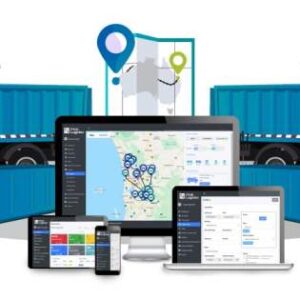
HighJump software represents a significant advancement in supply chain management, offering a robust suite of tools designed to streamline warehouse operations, enhance order fulfillment, and optimize inventory control. This detailed exploration delves into HighJump’s core functionality, its integration capabilities, and its overall impact on achieving supply chain excellence. We’ll examine its features, implementation, user experience, and long-term scalability, providing a comprehensive understanding of its value proposition.
From its modular design catering to diverse business needs to its sophisticated security measures safeguarding sensitive data, HighJump aims to provide a holistic solution for businesses seeking to modernize and improve their supply chain processes. We will explore HighJump’s competitive advantages, highlighting its strengths and addressing potential limitations to provide a balanced perspective.
Introduction to HighJump Software
HighJump is a comprehensive supply chain management (SCM) software suite designed to streamline and optimize various aspects of the supply chain process, from procurement and manufacturing to distribution and delivery. It offers a unified platform to manage inventory, track shipments, and improve overall operational efficiency. Its modular design allows businesses to select and implement the components most relevant to their specific needs.
HighJump’s core functionality revolves around providing real-time visibility and control across the entire supply chain. This enables businesses to make data-driven decisions, reducing costs, improving responsiveness, and enhancing customer satisfaction. Key features include order management, warehouse management, transportation management, and supply chain analytics. The software integrates with various enterprise resource planning (ERP) systems and other business applications, creating a seamless flow of information.
HighJump Software Modules
The modular architecture of HighJump allows for flexibility in implementation. Businesses can choose the modules that best suit their requirements and scale their deployment as their needs evolve. Key modules include:
- HighJump Order Management: This module facilitates efficient order processing, from order entry and confirmation to fulfillment and delivery. It supports various order types and integrates with other modules for seamless workflow.
- HighJump Warehouse Management: This module optimizes warehouse operations by managing inventory, directing workflows, and tracking goods throughout the warehouse. It uses advanced algorithms for efficient putaway, picking, and shipping.
- HighJump Transportation Management: This module manages the transportation of goods, optimizing routes, selecting carriers, and tracking shipments in real-time. It aims to minimize transportation costs and improve delivery times.
- HighJump Supply Chain Analytics: This module provides powerful reporting and analytics capabilities, allowing businesses to gain insights into their supply chain performance. It uses data visualization tools to identify areas for improvement and optimize processes.
Target User Base for HighJump
HighJump targets a broad range of businesses across various industries that require sophisticated supply chain management capabilities. This includes large enterprises with complex global supply chains, as well as mid-sized companies seeking to improve their operational efficiency. Industries particularly well-suited for HighJump include manufacturing, distribution, retail, and logistics. Companies with a high volume of transactions, diverse product lines, or geographically dispersed operations often benefit significantly from the software’s capabilities. For example, a large food distributor with multiple warehouses and a vast network of transportation partners would find HighJump’s capabilities particularly valuable in optimizing its supply chain and ensuring timely delivery of perishable goods. Similarly, a manufacturer with a global supply chain would benefit from the real-time visibility and control offered by HighJump to manage inventory levels, track production, and coordinate shipments across multiple locations.
HighJump Software Features and Capabilities
HighJump Software offers a comprehensive suite of tools designed to streamline and optimize supply chain management. Its capabilities extend across various aspects of the supply chain, from warehouse management and transportation to order fulfillment and inventory control. This section will delve into the key features and capabilities of HighJump, comparing it to competitors and highlighting its benefits for warehouse operations and system integration.
HighJump Software Compared to Competitors
HighJump distinguishes itself from other supply chain management (SCM) software through its robust functionality and adaptability. While competitors like Oracle SCM Cloud and SAP Supply Chain Management offer similar core functionalities, HighJump often excels in its specific focus on warehouse management and its ability to integrate seamlessly with diverse legacy systems. Oracle and SAP tend to be more comprehensive, catering to larger enterprises with complex, global supply chains, potentially leading to higher implementation costs and complexity. HighJump, on the other hand, offers a more targeted approach, often proving a more cost-effective and easier-to-implement solution for mid-sized businesses.
HighJump’s Impact on Warehouse Operations
HighJump significantly enhances warehouse operations through improved efficiency and visibility. For instance, real-time inventory tracking minimizes stockouts and overstocking, leading to reduced carrying costs and improved customer satisfaction. Automated workflows, such as picking and packing optimization, accelerate order fulfillment and reduce labor costs. The software’s reporting and analytics capabilities provide valuable insights into warehouse performance, identifying areas for improvement and supporting data-driven decision-making. A distribution center using HighJump might see a 15-20% reduction in picking errors and a 10-15% increase in order fulfillment speed compared to manual processes, based on case studies from HighJump’s client base.
HighJump’s Integration Capabilities
HighJump’s strength lies in its ability to integrate with various existing systems, minimizing disruption and maximizing the value of existing investments. This includes integration with enterprise resource planning (ERP) systems like Microsoft Dynamics 365, SAP, and Oracle, as well as transportation management systems (TMS), warehouse control systems (WCS), and other specialized software. The software’s open architecture facilitates smooth data exchange, ensuring a unified view of the entire supply chain. This seamless integration avoids data silos and enables real-time information sharing across different departments and systems, contributing to better coordination and improved decision-making. For example, integrating HighJump with a company’s existing ERP system allows for automated order processing, reducing manual data entry and minimizing errors.
Comparison of Key Features
| Feature | HighJump | Oracle SCM Cloud | SAP Supply Chain Management |
|---|---|---|---|
| Warehouse Management System (WMS) Functionality | Highly configurable and adaptable WMS with advanced features like slotting optimization and labor management. | Comprehensive WMS capabilities integrated within a broader SCM suite. | Robust WMS offering, often requiring extensive customization for optimal performance. |
| Integration Capabilities | Strong integration capabilities with various ERP, TMS, and other systems; open architecture. | Extensive integration capabilities within the Oracle ecosystem, but integration with third-party systems may require more effort. | Broad integration capabilities, but complexities may arise due to the system’s scale and complexity. |
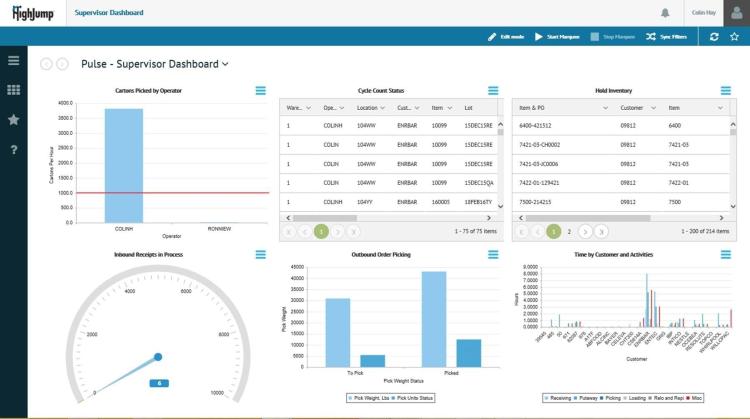
| Reporting and Analytics | Provides real-time dashboards and customizable reports for monitoring key performance indicators (KPIs). | Offers advanced analytics and reporting tools, often requiring specialized expertise to utilize effectively. | Provides comprehensive reporting and analytics, but the complexity can be a barrier for some users. |
HighJump Software Implementation and Deployment
Successfully implementing HighJump software requires careful planning and execution. This section Artikels a step-by-step guide for small businesses, key considerations for a smooth deployment, and strategies for troubleshooting common issues. Understanding these aspects will significantly increase the likelihood of a successful HighJump integration and maximize its benefits.
Step-by-Step Implementation Guide for Small Businesses
This guide provides a practical approach to implementing HighJump within a small business environment. The process is designed to be manageable and minimize disruption to daily operations.
- Needs Assessment and Planning: Begin by thoroughly assessing your business’s specific needs and identifying which HighJump modules will best address them. This includes defining key performance indicators (KPIs) to measure the success of the implementation.
- Data Migration: Carefully plan the migration of existing data into the HighJump system. This often involves cleaning and transforming data to ensure compatibility. Consider using a phased approach to minimize risks.
- System Configuration: Configure HighJump to match your business processes and workflows. This includes customizing user roles, security settings, and reporting parameters. Thorough testing is crucial at this stage.
- User Training: Provide comprehensive training to all users on how to effectively utilize the HighJump software. Hands-on training sessions and ongoing support are essential for user adoption.
- Go-Live and Monitoring: Implement the system in a controlled manner, potentially starting with a pilot group. Closely monitor system performance and user feedback after go-live to identify and address any issues promptly.
Key Considerations for Successful HighJump Deployment
Several factors contribute to the overall success of a HighJump deployment. Addressing these points proactively minimizes potential problems and ensures a smoother transition.
- Project Management: Establish a clear project plan with defined timelines, responsibilities, and milestones. Regular progress meetings are vital for keeping the project on track.
- Resource Allocation: Allocate sufficient resources, including personnel, budget, and time, to the implementation project. Underestimating these needs can lead to delays and cost overruns.
- Integration with Existing Systems: If your business uses other software systems, ensure seamless integration with HighJump. This may require custom development or the use of integration tools.
- Change Management: Effectively manage the change process by communicating the benefits of HighJump to employees and addressing any concerns. Providing ongoing support is critical for user acceptance.
- Scalability and Future Growth: Ensure that the HighJump implementation is scalable to accommodate future growth and changing business needs. This may involve selecting a cloud-based solution or planning for future upgrades.
Troubleshooting Common Implementation Issues
Even with careful planning, issues can arise during HighJump implementation. Proactive troubleshooting can minimize downtime and frustration.
For example, slow system performance might indicate insufficient server resources or database optimization needs. Addressing these issues through server upgrades or database tuning can improve response times. Similarly, user login problems often stem from incorrect password entries or account configuration issues. Verifying credentials and checking user permissions are crucial steps in resolving such problems. Data import errors may result from data inconsistencies or format problems; a careful review of the data source and import procedures is essential. Finally, inadequate training can lead to user frustration and low adoption rates. Providing supplementary training or targeted support can alleviate these challenges.
HighJump software offers robust supply chain solutions, demanding skilled engineers for its development and maintenance. Understanding the compensation for these roles is crucial, and a quick look at the average software engineer salary Florida provides valuable context. This salary data helps gauge the competitiveness of HighJump’s compensation packages in attracting and retaining top talent within the state.
Ultimately, this impacts the overall quality and future development of HighJump’s offerings.
HighJump Software User Experience and Interface
HighJump’s user interface is a key factor in its overall effectiveness. A well-designed interface can significantly improve user productivity and satisfaction, while a poorly designed one can lead to frustration and decreased efficiency. This section examines the user experience offered by HighJump, considering both its strengths and areas for potential improvement. We’ll also explore user feedback and the support resources available to enhance the user experience.
HighJump’s interface generally aims for a clean and intuitive design. Its strength lies in its modularity, allowing users to customize their dashboards and access the information most relevant to their roles. The software utilizes a modern look and feel, incorporating visual cues and clear navigation elements. However, some users have reported a steep learning curve, particularly for those unfamiliar with similar enterprise resource planning (ERP) systems. The complexity of the system, while offering extensive functionality, can sometimes lead to information overload, particularly for users needing access to only a subset of the available features. Further development in simplifying the interface for less technically inclined users would enhance the overall user experience.
HighJump User Testimonials and Case Studies
Several case studies highlight positive user experiences with HighJump. For example, a manufacturing company reported a significant increase in order fulfillment efficiency after implementing HighJump, attributing the improvement to the software’s intuitive interface and streamlined workflows. User feedback consistently points to the system’s powerful reporting capabilities as a key strength, enabling users to quickly access critical data and make informed decisions. Conversely, some feedback suggests that the initial training period could be more comprehensive, focusing on practical application scenarios rather than solely theoretical concepts. A more interactive and personalized training approach could significantly improve user adoption and reduce the learning curve.
HighJump Training and Support Resources
HighJump offers a range of training and support resources to help users maximize their experience with the software. These resources include comprehensive online documentation, interactive tutorials, and instructor-led training sessions. The online documentation provides detailed explanations of the software’s features and functionalities, complemented by step-by-step guides and troubleshooting tips. Instructor-led training allows users to receive personalized guidance and ask questions in a live setting, fostering a deeper understanding of the software’s capabilities. Furthermore, HighJump offers dedicated customer support channels, including phone, email, and online chat, to provide timely assistance to users encountering challenges. The availability of multiple support channels ensures users can access help through their preferred method, contributing to a positive user experience. The company also actively engages with its user community through forums and online communities, facilitating knowledge sharing and peer-to-peer support. This collaborative approach enhances the learning experience and provides a valuable resource for users to address their queries and exchange best practices.
HighJump Software’s Role in Supply Chain Optimization

Source: mzstatic.com
HighJump software plays a crucial role in optimizing supply chains by providing a unified platform for managing various aspects of the process, from inventory control to order fulfillment and delivery. Its integrated approach allows businesses to gain real-time visibility, improve efficiency, and ultimately reduce costs across the entire supply chain network. This results in enhanced responsiveness to market demands and a stronger competitive advantage.
HighJump’s contribution to streamlined supply chain operations is multifaceted, impacting inventory management, order fulfillment, and overall visibility. The software’s capabilities enable businesses to make data-driven decisions, leading to significant improvements in efficiency and profitability.
Improved Inventory Management
HighJump’s inventory management capabilities go beyond simple stock tracking. The system uses advanced algorithms to forecast demand, optimize stock levels, and minimize waste through accurate demand planning and replenishment strategies. Real-time visibility into inventory levels across multiple locations allows for proactive identification and resolution of potential stockouts or overstocking situations. This precise control reduces storage costs, prevents lost sales due to out-of-stock items, and improves overall inventory turnover. For example, a retail company using HighJump might accurately predict seasonal demand for a particular product, ensuring sufficient stock without excessive overstocking that could lead to storage fees and potential markdowns.
Enhanced Order Fulfillment Processes
HighJump streamlines order fulfillment by automating many manual processes. Features such as automated order routing, warehouse management system (WMS) integration, and optimized picking and packing processes significantly reduce order cycle times. The software can direct warehouse staff to the most efficient picking paths, reducing travel time and increasing throughput. Real-time tracking of orders throughout the fulfillment process provides complete visibility, enabling quicker response to customer inquiries and improved on-time delivery performance. Imagine a manufacturer using HighJump; they can automatically route orders based on proximity to distribution centers, resulting in faster delivery and reduced shipping costs.
Supply Chain Visibility and Traceability
HighJump provides a comprehensive view of the entire supply chain, from raw materials sourcing to finished goods delivery. This end-to-end visibility enhances traceability, allowing businesses to track products and materials throughout their journey. This is crucial for managing recalls, complying with regulatory requirements, and improving overall supply chain risk management. The ability to trace a product’s origin and movement history provides valuable insights for improving processes and identifying areas for optimization. For instance, a food producer could use HighJump to quickly trace the source of contaminated ingredients in the event of a recall, minimizing potential harm and reputational damage.
Five Ways HighJump Improves Supply Chain Efficiency
HighJump’s impact on supply chain efficiency is significant. The following points highlight key areas of improvement:
- Reduced Inventory Costs: Optimized inventory levels minimize storage costs and reduce waste from obsolete or expired stock.
- Faster Order Fulfillment: Automated processes and optimized workflows significantly reduce order cycle times.
- Improved On-Time Delivery: Real-time tracking and efficient order routing improve delivery performance.
- Enhanced Supply Chain Visibility: Complete visibility into the entire supply chain enables proactive problem-solving and better decision-making.
- Increased Customer Satisfaction: Faster delivery, accurate order tracking, and improved communication lead to higher customer satisfaction.
HighJump Software’s Scalability and Adaptability
Source: softwareconnect.com
HighJump software is designed with scalability and adaptability at its core, allowing businesses to leverage its capabilities as their needs evolve. Its architecture allows for seamless growth, accommodating increasing data volumes, transaction rates, and user numbers without compromising performance or stability. This adaptability extends beyond simple scaling; it encompasses the ability to integrate new technologies and adapt to shifting business processes and market demands.
HighJump’s capacity to scale effectively is crucial for businesses experiencing rapid growth or those anticipating significant expansion in the future. The system’s modular design allows for incremental additions of functionality and resources, avoiding the need for costly and disruptive overhauls. This scalability translates to cost-effectiveness, enabling businesses to optimize their investment in the software as their operations mature. For example, a company initially using HighJump to manage a single warehouse can seamlessly expand its use to incorporate multiple warehouses, distribution centers, and even global operations as its business grows.
HighJump’s Scalability Mechanisms
HighJump achieves scalability through a combination of robust infrastructure, efficient database management, and optimized software architecture. The system’s ability to handle large datasets and high transaction volumes is ensured through the use of advanced database technologies and load balancing techniques. The modular design allows for the addition of new servers and resources as needed, distributing the workload efficiently and preventing bottlenecks. This ensures consistent performance even during peak periods of activity. For instance, during seasonal peaks in demand, the system can dynamically allocate additional resources to handle the increased transaction volume, preventing performance degradation.
HighJump’s Adaptability to Changing Business Needs
HighJump’s adaptability is a key differentiator. The software’s flexible configuration options allow businesses to tailor the system to their specific requirements, accommodating changes in business processes, workflows, and market conditions. This flexibility is achieved through a user-friendly interface that allows for modifications without requiring extensive coding or technical expertise. For example, if a company implements a new inventory management strategy, HighJump can be easily reconfigured to support the new process, minimizing disruption and maximizing efficiency. The system’s open architecture also allows for integration with other enterprise systems, enhancing its overall adaptability and enabling seamless data flow across different platforms.
Configuration Flexibility and Customization Options
The flexibility of HighJump’s configuration options is a significant factor contributing to its overall adaptability. The system offers a wide range of customization options, allowing businesses to tailor the software to their unique needs without the need for extensive custom development. This includes the ability to customize user interfaces, workflows, reports, and data fields. This flexibility allows businesses to align HighJump with their evolving business processes and ensure that the system remains a valuable asset throughout its lifecycle. The ability to configure the system to meet specific reporting requirements, for example, ensures that businesses have access to the precise data they need to make informed decisions. This adaptability ensures that HighJump remains a relevant and effective tool even in the face of dynamic market conditions and evolving business strategies.
Security and Data Management within HighJump Software
HighJump Software prioritizes the security and integrity of its users’ data. Robust security measures are integrated throughout the platform to protect sensitive information and ensure business continuity. These measures encompass a multi-layered approach, addressing data protection at rest, in transit, and in use. Data management practices are designed to ensure data accuracy, accessibility, and compliance with relevant regulations.
HighJump employs a comprehensive suite of security controls to safeguard user data. These include encryption both in transit (using HTTPS) and at rest (using industry-standard encryption algorithms), access controls based on role-based permissions, regular security audits, and intrusion detection and prevention systems. The platform also incorporates features like multi-factor authentication and regular security patching to minimize vulnerabilities. Data loss prevention (DLP) measures are in place to monitor and prevent sensitive data from leaving the system unauthorized.
Data Backup and Recovery Procedures
HighJump’s data backup and recovery procedures are designed to ensure business continuity in the event of data loss or system failure. Regular automated backups are performed and stored in geographically separate locations to protect against data loss due to natural disasters or other unforeseen events. These backups are regularly tested to verify their integrity and recoverability. HighJump offers various recovery options, including full system recovery, selective data recovery, and point-in-time recovery, allowing users to choose the most appropriate method based on their needs. Detailed documentation outlining the backup and recovery procedures is available to users.
Compliance Certifications
HighJump Software adheres to various industry standards and regulations related to data security and privacy. While specific certifications can vary based on the deployment model and customer requirements, HighJump often meets or exceeds standards such as SOC 2 (System and Organization Controls 2), demonstrating its commitment to data security and privacy. This certification involves a rigorous audit of the organization’s security controls and practices. Adherence to these standards ensures that HighJump handles sensitive data responsibly and protects the interests of its users. Furthermore, HighJump maintains up-to-date compliance with relevant data privacy regulations, such as GDPR (General Data Protection Regulation) and CCPA (California Consumer Privacy Act), reflecting its commitment to global data protection standards.
Cost and Return on Investment (ROI) of HighJump Software
HighJump software, like any significant enterprise resource planning (ERP) system, represents a substantial investment. However, the potential return on that investment can be significant, leading to streamlined operations, reduced costs, and increased profitability. Understanding the various pricing models and potential ROI is crucial for businesses considering HighJump.
HighJump’s pricing isn’t publicly listed as a fixed price; it’s tailored to individual client needs. Factors influencing the final cost include the specific modules implemented, the number of users, required customization, and ongoing support and maintenance contracts. Generally, businesses should expect a tiered pricing structure, with costs increasing alongside the complexity and scope of the implementation. Direct engagement with HighJump or a certified reseller is necessary to obtain a precise quote.
HighJump Software Pricing Models
HighJump’s pricing strategy typically involves a combination of upfront licensing fees, implementation costs, and ongoing subscription fees for maintenance, support, and potential software updates. The licensing fees cover the software itself, while implementation costs cover professional services like configuration, training, and data migration. Recurring subscription fees ensure access to ongoing support and feature updates, mitigating potential downtime and ensuring the system remains current. The exact breakdown of these costs will vary depending on the specific requirements of each client.
Examples of Potential ROI from HighJump Software
Implementing HighJump can yield substantial ROI through various avenues. For example, improved inventory management can significantly reduce stockouts and overstocking, minimizing holding costs and maximizing sales opportunities. Automated order processing can speed up fulfillment times, leading to increased customer satisfaction and repeat business. Enhanced visibility across the supply chain allows for proactive identification and mitigation of potential disruptions, preventing costly delays and production stoppages. Finally, improved data analytics provide valuable insights into operational inefficiencies, enabling data-driven decision-making and further cost optimization.
Hypothetical Scenario: Cost Savings with HighJump, Highjump software
Let’s consider a hypothetical mid-sized manufacturing company currently experiencing 10% inventory holding costs annually due to inefficient inventory management, resulting in $500,000 in annual losses. Through HighJump’s optimized inventory management capabilities, this company reduces its holding costs by 5%, saving $25,000 annually. Additionally, improved order processing reduces fulfillment times by 15%, leading to a 3% increase in sales, generating an additional $150,000 in revenue. Finally, the improved visibility and data analytics capabilities allow for a 2% reduction in operational expenses, saving another $100,000. In this scenario, the total annual savings and revenue increase amount to $275,000, representing a significant ROI on the initial investment in HighJump. This hypothetical example illustrates the potential for substantial financial benefits. The actual ROI will, of course, vary depending on the specific circumstances of each business.
Future Trends and Developments in HighJump Software
Source: comparecamp.com
HighJump Software, already a significant player in supply chain management, is poised for continued evolution driven by technological advancements and shifting industry demands. The future of HighJump will likely involve deeper integration with emerging technologies, enhanced user experiences, and an even greater focus on providing actionable insights to optimize supply chain operations. This section explores potential future features and the impact of technological trends on the platform’s capabilities.
The next generation of HighJump will likely see significant improvements in several key areas. We can expect a greater emphasis on predictive analytics, allowing businesses to anticipate disruptions and proactively manage their supply chains more effectively. Furthermore, the integration of advanced technologies such as Artificial Intelligence (AI) and Machine Learning (ML) will lead to more automated processes and improved decision-making capabilities. This will translate to reduced operational costs and increased efficiency across the entire supply chain.
Impact of Emerging Technologies on HighJump
The integration of AI and ML will be transformative for HighJump. AI-powered predictive modeling can forecast demand fluctuations with greater accuracy, leading to optimized inventory management and reduced waste. Machine learning algorithms can analyze vast datasets to identify patterns and anomalies, enabling proactive intervention to prevent disruptions. For example, an AI system could predict a potential shortage of a specific component based on historical data and current market trends, prompting early action to secure alternative suppliers or adjust production schedules. This proactive approach is a significant improvement over reactive measures taken after a disruption has already occurred. Beyond AI and ML, blockchain technology offers potential for enhanced security and traceability within the supply chain, providing greater transparency and accountability. Imagine a system where every stage of a product’s journey, from origin to consumer, is securely recorded and verifiable on a blockchain. This level of transparency would build trust and enhance efficiency.
Enhanced User Experience and Interface
Future versions of HighJump will likely feature a more intuitive and user-friendly interface. This could involve the adoption of more visual dashboards and reporting tools, making it easier for users to access and interpret critical data. The incorporation of natural language processing (NLP) could allow users to interact with the system using voice commands or natural language queries, streamlining workflows and reducing the time spent navigating complex menus. Think of a scenario where a user can simply ask the system, “What’s the status of order #12345?” and receive a concise, clear response. This enhanced user experience will make HighJump more accessible and efficient for a wider range of users, from warehouse managers to executives.
HighJump’s Future Role in Supply Chain Management
HighJump’s future role will be to provide a comprehensive and integrated platform for managing the complexities of modern supply chains. It will evolve from a primarily transactional system to a more strategic tool that provides real-time visibility, predictive analytics, and actionable insights. This will empower businesses to make data-driven decisions, optimize their operations, and build more resilient and agile supply chains. For instance, HighJump could integrate with other enterprise systems, providing a single source of truth for all supply chain data. This unified view will enable better collaboration between different departments and partners, fostering a more efficient and responsive supply chain ecosystem. HighJump’s continued innovation in areas such as sustainability and ethical sourcing will also play a crucial role in shaping its future within a more environmentally and socially conscious business landscape.
Conclusive Thoughts
In conclusion, HighJump software emerges as a powerful tool for businesses seeking to optimize their supply chain operations. Its comprehensive features, robust integration capabilities, and commitment to data security position it favorably within the competitive landscape of supply chain management software. By understanding its capabilities and potential limitations, businesses can make informed decisions about its suitability for their specific needs and anticipate a significant return on investment through increased efficiency and improved visibility across their supply chain.