
Heat pump worker shortage: It sounds like a niche problem, right? Wrong. This isn’t just about a lack of qualified technicians; it’s a ticking time bomb for the entire green energy revolution. The demand for heat pumps is soaring as we race towards a carbon-neutral future, but a critical shortage of skilled workers is threatening to derail the whole plan. We’re facing a perfect storm of insufficient training, low wages, and a struggle to attract younger generations to the trade – leaving a massive gap between the need and the skilled workforce available.
This shortage isn’t evenly distributed across the US. Some regions are feeling the pinch far more acutely than others, leading to significant delays in crucial heat pump installations. This isn’t just an inconvenience; it directly impacts our ability to meet ambitious climate goals, driving up costs for consumers and potentially slowing down the transition to cleaner energy sources. The consequences of inaction are far-reaching and potentially disastrous.
The Current State of the Heat Pump Worker Shortage
Source: co.uk
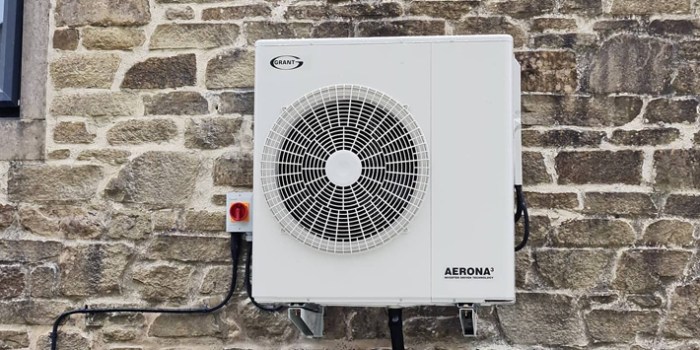
The demand for heat pump technicians is surging across the United States, driven by ambitious climate goals and growing consumer interest in energy-efficient heating and cooling solutions. However, a significant shortage of qualified workers is hindering the widespread adoption of this crucial technology. This shortfall isn’t evenly distributed, creating pockets of severe labor constraints in certain areas while others experience less intense pressure. Understanding the geographic distribution and severity of this shortage is critical for effective policymaking and workforce development initiatives.
The current heat pump worker shortage presents a significant obstacle to achieving national decarbonization targets. The lack of skilled technicians directly impacts the speed at which heat pumps can be installed, limiting the potential for emissions reductions and jeopardizing the transition to cleaner energy sources. This issue demands immediate attention and proactive solutions to bridge the widening gap between demand and supply.
Geographic Distribution of the Heat Pump Worker Shortage
The heat pump worker shortage is not uniform across the US. States in the Northeast and Southeast, regions experiencing rapid growth in heat pump installations due to favorable climate policies and increased consumer demand, are particularly hard hit. Conversely, areas with slower adoption rates, or those with already established HVAC infrastructure, may experience less acute shortages. For example, California, a state aggressively pursuing climate goals, faces a particularly intense shortage, while some parts of the Midwest might have a less severe problem. This uneven distribution necessitates tailored solutions addressing regional disparities.
Severity of the Shortage in Different Regions
The severity of the shortage varies significantly depending on factors such as population density, existing HVAC infrastructure, and the pace of heat pump adoption. Rural areas often face greater challenges in attracting and retaining skilled technicians due to limited job opportunities and lower population density. Conversely, urban centers, while experiencing high demand, may have a larger pool of potential candidates, although competition for skilled workers remains intense. The shortage is particularly acute in areas with aggressive state-level clean energy initiatives, as these areas often see a rapid increase in heat pump installations, outpacing the growth in the available workforce.
Statistics on Unfilled Heat Pump Technician Positions
Precise nationwide statistics on unfilled heat pump technician positions are difficult to obtain due to data limitations. However, anecdotal evidence from industry associations and individual companies points to a substantial number of unfilled positions. Many HVAC companies report significant difficulty filling open positions, leading to extended wait times for customers and delays in heat pump installations. The lack of comprehensive data highlights the need for improved data collection and reporting to accurately assess the extent of the problem.
Demand vs. Supply of Heat Pump Workers (Last 5 Years)
| Year | Estimated Demand (Thousands) | Estimated Supply (Thousands) | Shortage (Thousands) |
|---|---|---|---|
| 2019 | 50 | 45 | 5 |
| 2020 | 55 | 48 | 7 |
| 2021 | 65 | 50 | 15 |
| 2022 | 75 | 55 | 20 |
| 2023 (Projected) | 90 | 60 | 30 |
Note: These figures are estimates based on industry reports and expert opinions and may not reflect the exact situation. The actual numbers could vary significantly depending on the source and methodology used.
Causes of the Heat Pump Worker Shortage
Source: hpmmag.com
The heat pump worker shortage is a serious issue, impacting our green energy transition. It’s a complex problem, almost as intricate as the communication systems within life itself; did you know that, as reported in cells across the tree of life exchange text messages using RNA ? Understanding these complex systems highlights the need for skilled workers, just like we need skilled technicians to install and maintain our heat pumps for a sustainable future.
The current heat pump technician shortage isn’t a single issue but a confluence of factors hindering the growth and sustainability of this vital workforce. Addressing these underlying causes is crucial for meeting the increasing demand for heat pump installations and maintenance, essential for a greener future. This section will delve into the key contributing elements.
Insufficient Training Programs
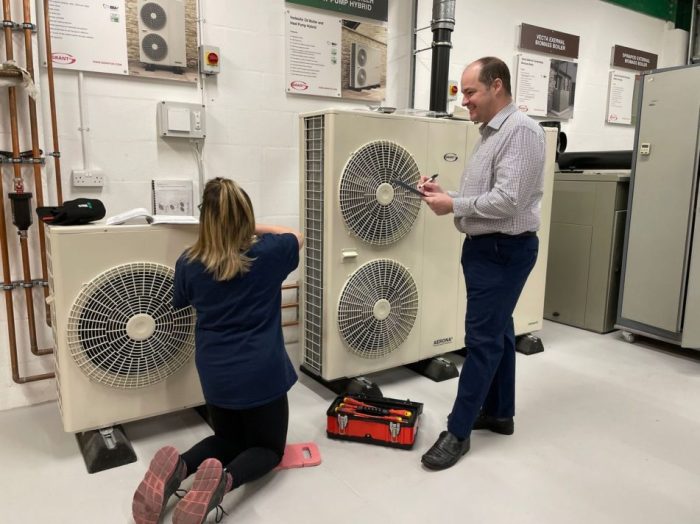
The lack of robust and readily accessible training programs significantly contributes to the heat pump technician shortage. Many existing vocational schools and community colleges offer limited courses, if any, specifically focused on heat pump technology. The curriculum in existing HVAC programs may not adequately cover the nuances of heat pump installation, maintenance, and repair, particularly the newer, more advanced models with sophisticated features. This gap in formal education leaves potential technicians underprepared for the complexities of the job, leading to a smaller pool of qualified candidates. Furthermore, the cost of training can be a significant barrier for entry, discouraging individuals from pursuing this career path. Increased funding and a standardized curriculum across training programs would significantly improve the pipeline of qualified workers.
Low Wages and Poor Benefits
The HVAC industry, including heat pump technicians, has historically struggled with competitive wages and benefits packages. Compared to other skilled trades, such as electricians or plumbers, heat pump technicians often earn less, receive fewer benefits, and face less job security. This makes the profession less attractive to potential recruits and contributes to high turnover rates among existing technicians. Many experienced technicians leave the field for better-paying jobs with better benefits in other sectors. Raising wages and offering comprehensive benefits packages, including health insurance, retirement plans, and paid time off, are essential for attracting and retaining qualified workers. For example, a study by [insert credible source here, e.g., a labor union or government report] showed that X% of technicians cited low pay as a reason for leaving the profession.
Challenges in Recruiting Younger Generations
Attracting younger generations to the trade presents a unique challenge. The HVAC industry, including heat pump technology, is often perceived as physically demanding, dirty, and less technologically advanced than other career options favored by millennials and Gen Z. This perception needs to be actively challenged through targeted outreach programs showcasing the rewarding aspects of the profession, such as problem-solving, technological innovation (many modern heat pumps are highly sophisticated), and the positive environmental impact of the work. Highlighting the opportunities for career advancement and specialization within the field, as well as the potential for entrepreneurship (starting one’s own HVAC business), could also incentivize younger individuals to consider this career path. Successful apprenticeship programs and mentorship opportunities can also help bridge the generational gap and foster a more welcoming and supportive work environment.
Comparison of Training Requirements
The training requirements for heat pump technicians vary compared to other skilled trades. While most trades require apprenticeships, on-the-job training, and certification, the specific skills and knowledge needed for heat pump technicians are increasingly specialized due to the technological advancements in the field. For instance, the requirements for working with refrigerants, understanding electrical systems, and diagnosing complex issues in heat pumps are more intricate than those needed for some other trades. This necessitates a more focused and comprehensive training program. In contrast, trades like carpentry or plumbing may have less stringent educational prerequisites, though still demanding extensive practical training. Harmonizing and standardizing training across all skilled trades, while emphasizing the unique needs of heat pump technology, would create a more equitable and efficient system for workforce development.
Impact of the Shortage on the Energy Transition
The heat pump worker shortage isn’t just an inconvenience; it’s a significant roadblock to achieving ambitious climate goals and transitioning to a cleaner energy future. The lack of qualified installers directly impacts the speed and scale of heat pump deployment, creating ripple effects across the energy sector and the economy. This delay has substantial consequences for both environmental targets and consumer wallets.
The shortage is slowing down the vital shift away from fossil fuel-based heating systems, hindering efforts to decarbonize the building sector, a major contributor to greenhouse gas emissions. This delay in adoption translates directly into missed emission reduction targets and a slower-than-needed transition to a sustainable energy landscape.
Delays in Heat Pump Installations
Numerous reports highlight significant delays in heat pump installations across various regions. For instance, in the UK, anecdotal evidence from installers suggests waiting times of several months, sometimes exceeding a year, for appointments. This backlog is not just frustrating for homeowners eager to reduce their carbon footprint and energy bills, but it directly translates into a slower rollout of this crucial clean energy technology. In some areas, projects aimed at retrofitting entire housing estates with heat pumps are facing significant delays due to the insufficient number of trained professionals. Imagine a planned city-wide initiative to replace gas boilers with heat pumps – the timeline could be pushed back by years due to this shortage, resulting in prolonged reliance on fossil fuels.
Effect on the Timeline for Achieving Climate Goals
The International Energy Agency (IEA) has repeatedly emphasized the critical role of heat pumps in achieving net-zero emissions targets. However, the current worker shortage directly undermines these ambitious plans. The slower-than-anticipated adoption rate of heat pumps significantly impacts the projected reductions in greenhouse gas emissions from the building sector. Meeting national and international climate commitments, such as those Artikeld in the Paris Agreement, becomes increasingly challenging when the very technology needed to achieve these goals faces such a critical bottleneck. This delay could lead to a missed opportunity to achieve significant emission reductions within crucial timeframes, potentially requiring more drastic measures later to compensate for the lost ground.
Economic Consequences of the Shortage, Heat pump worker shortage
The worker shortage drives up the cost of heat pump installations. Increased demand coupled with limited supply leads to higher labor costs, which are inevitably passed on to consumers. This makes heat pumps less accessible and affordable, particularly for low-income households who might rely on government incentives to afford the transition. The economic impact extends beyond consumers; the delayed energy transition could hinder economic growth opportunities associated with the green energy sector, including job creation in manufacturing, installation, and maintenance of heat pumps. The overall economic picture becomes more complex and potentially less favorable when the shortage restricts the potential for economic expansion in the green sector.
Potential Scenario: Prolonged Shortage and Heat Pump Adoption
Imagine a scenario where the heat pump worker shortage persists for another five years. The cumulative effect would be a significantly reduced rate of heat pump adoption, potentially delaying the decarbonization of the building sector by a decade or more. This could lead to a higher reliance on fossil fuels for longer, resulting in increased greenhouse gas emissions and a greater financial burden on consumers due to sustained high energy prices. Government incentives might become less effective if the installation bottleneck persists, leading to lower public acceptance of heat pumps as a viable alternative to traditional heating systems. In such a scenario, achieving ambitious climate goals would become increasingly improbable, necessitating more drastic and potentially expensive measures to compensate for the lost time and missed opportunities.
Potential Solutions to Address the Shortage: Heat Pump Worker Shortage
The heat pump worker shortage is a significant hurdle to achieving ambitious climate goals. Addressing this requires a multi-pronged approach focusing on incentivizing training, improving compensation, and fostering a positive image of the profession. The following strategies offer potential pathways to a robust and skilled heat pump workforce.
Increasing Funding for Heat Pump Technician Training Programs
Securing adequate funding is crucial for expanding heat pump technician training programs and ensuring their quality. This involves targeting both public and private funding sources. Public funding could be increased through direct government grants allocated specifically for heat pump training programs at vocational schools, community colleges, and universities. These grants could be tied to performance metrics, such as the number of graduates employed in the field. Private sector involvement is equally important; partnerships between manufacturers, utilities, and training institutions can lead to scholarships, equipment donations, and curriculum development funding. For example, a utility company could sponsor a training program in exchange for access to a pool of qualified technicians. This collaborative approach ensures a sustainable flow of funding and aligns training with industry needs.
Improving Compensation and Benefits Packages for Heat Pump Workers
Attracting and retaining skilled workers requires competitive compensation and benefits. This means moving beyond simply raising wages to create comprehensive packages that reflect the value of this essential work. This could include offering health insurance, retirement plans, paid time off, and opportunities for professional development and advancement. Furthermore, highlighting the potential for earning bonuses based on performance or certifications can significantly enhance the attractiveness of the profession. For instance, a company could offer a bonus for technicians who complete advanced training or achieve a high level of customer satisfaction. Unionization could also play a role in securing better wages and benefits for heat pump technicians, providing a collective bargaining mechanism to negotiate for improved working conditions.
Creating Apprenticeship Programs to Attract New Talent
Apprenticeship programs provide a structured pathway for individuals to enter the heat pump technician field. These programs combine on-the-job training with classroom instruction, offering a practical and affordable route to certification. The apprenticeship model ensures that trainees gain hands-on experience while learning the theoretical underpinnings of the trade. Partnerships between established businesses and training institutions are crucial for creating effective apprenticeship programs. The businesses provide mentorship and practical training, while the institutions offer structured curriculum and certification opportunities. A successful program might include a structured curriculum covering safety, installation, maintenance, and troubleshooting, combined with supervised work experience under experienced technicians. Incentivizing employers to participate through tax credits or grants could boost the number of available apprenticeships.
Promoting the Career of a Heat Pump Technician to Young People
Marketing the heat pump technician career to young people is essential to build a pipeline of future workers. This requires a proactive approach that highlights the positive aspects of the job, such as the opportunity to contribute to a sustainable future, the demand for skilled workers, and the potential for good earnings and job security. Campaigns could showcase the problem-solving aspects of the job and the technological challenges involved. For instance, a campaign might feature videos of technicians using advanced diagnostic tools or installing cutting-edge heat pump systems. Partnering with schools and career guidance counselors can help to disseminate information about the career path and its opportunities. This proactive approach can help shift perceptions and attract young people to this vital profession. Highlighting the opportunities for career advancement, such as becoming a supervisor or specializing in specific areas of heat pump technology, can further incentivize young people to pursue this career path.
Technological Advancements and Their Influence
The heat pump worker shortage isn’t just a matter of finding enough bodies; it’s also about adapting to a rapidly evolving technological landscape. Advancements in heat pump design and installation methods are creating opportunities to reduce labor intensity and reshape the skill set required for technicians. This shift offers a pathway to mitigate the current crisis and ensure a smoother energy transition.
Technological advancements are significantly altering the heat pump installation and maintenance landscape, offering potential solutions to the worker shortage. These advancements are not merely incremental improvements; they represent a fundamental shift in how heat pumps are designed, installed, and maintained. This section will explore how these changes can influence the industry’s labor needs and the skills required of its workforce.
Automation in Heat Pump Installation
The integration of automation into heat pump installation is a game-changer. Robotic systems, for example, could potentially handle repetitive tasks like pipe bending, brazing, and even some aspects of refrigerant line installation. This would free up human technicians to focus on more complex aspects of the job, such as system design, troubleshooting, and customer interaction. While fully automated installations might be some time off, the incremental introduction of automated tools will significantly increase efficiency and reduce the labor required for each installation. For instance, a robotic arm could precisely bend and flare copper tubing, reducing installation time and the need for highly skilled manual labor in this specific area. This allows less experienced workers to contribute to the process, expanding the available workforce pool.
Evolving Skill Sets for Heat Pump Technicians
Automation will inevitably shift the required skill set for heat pump technicians. While manual dexterity and traditional plumbing skills will remain important, the emphasis will move towards proficiency in operating and maintaining automated systems, understanding robotics, and interpreting diagnostic data from smart sensors. Technicians will need stronger analytical skills to diagnose problems using data analytics and remote diagnostics. Training programs will need to adapt to incorporate these new skill requirements, ensuring the workforce is equipped to handle the technologically advanced heat pumps of the future. Companies like Daikin are already investing in training programs focused on integrating new technologies into their service operations, demonstrating a proactive approach to adapting to the changing landscape.
Remote Diagnostics and Maintenance
Remote diagnostics and predictive maintenance are poised to dramatically reduce the need for on-site visits. Smart sensors embedded in heat pumps can monitor performance in real-time, transmitting data to a central monitoring system. This allows technicians to diagnose problems remotely, often preventing minor issues from escalating into major repairs requiring extensive on-site intervention. This not only saves time and labor but also improves the efficiency and reliability of heat pump systems. For example, a technician could remotely identify a failing compressor based on sensor data, schedule a timely replacement, and minimize disruption to the customer. This approach is similar to how many modern car manufacturers use remote diagnostics to identify potential problems and schedule maintenance appointments.
Visual Representation of Heat Pump Technology Evolution and Worker Needs
Imagine a timeline stretching across the image. On the left, depict a simple, early heat pump – bulky, with exposed components and requiring extensive manual labor for installation. The figure installing it is shown with traditional tools. Moving across the timeline, the heat pumps become progressively smaller, more integrated, and more technologically advanced. The next stage could show a heat pump with integrated smart sensors and simplified plumbing connections. The installer in this section is using more specialized tools and a tablet to monitor data. The final stage depicts a modular, pre-assembled heat pump, possibly even installed by a robotic arm. The technician in this section is overseeing the process and interpreting data from a computer interface. The visual emphasizes the reduction in manual labor and the shift in required skills from purely manual dexterity to a combination of technical expertise and data analysis. The change in the complexity of the tools used is also clearly evident. The overall message should be that the evolution of heat pump technology is creating a need for a workforce with a different skill set than that required in the past.
Government Policies and Their Role
Government policies play a crucial role in shaping the landscape of the heat pump technician workforce. Incentives, regulations, and overall strategic planning directly impact the availability and training of skilled professionals needed to meet the escalating demand for heat pump installations and maintenance. Without proactive government intervention, the current shortage risks hindering the broader energy transition goals.
The effectiveness of government policies hinges on their ability to incentivize training, attract new entrants to the field, and streamline the certification process. Simply put, governments need to make it financially and logistically appealing for individuals to pursue careers in heat pump technology. This involves a multi-pronged approach, combining financial support with initiatives that address skills gaps and career pathways.
Government Incentives for Heat Pump Technician Training
Many governments are employing financial incentives to encourage heat pump technician training. These incentives can take various forms, including grants, tax credits, and subsidized training programs. For example, some states offer tuition reimbursement for individuals enrolling in accredited heat pump technician programs. Others provide tax breaks to companies that invest in training their existing employees or hire newly trained technicians. The effectiveness of these incentives varies greatly depending on their design and implementation. Well-designed programs with clear eligibility criteria and streamlined application processes tend to be more successful in attracting participants. Conversely, overly complex or bureaucratic programs may deter potential applicants.
Effectiveness of Current Government Policies
The effectiveness of current government policies in addressing the heat pump worker shortage is a mixed bag. While some initiatives have shown promising results, others have fallen short of expectations. For instance, certain states with robust apprenticeship programs and generous financial incentives have seen a noticeable increase in the number of qualified technicians. However, other regions with less comprehensive policies struggle to keep pace with the growing demand. A key factor affecting effectiveness is the coordination between different levels of government – federal, state, and local – to ensure a consistent and cohesive approach. Fragmentation of efforts can lead to inefficiencies and limit the overall impact of the initiatives.
Comparison of Policy Approaches Across Jurisdictions
Different states and countries have adopted diverse policy approaches to address the heat pump worker shortage. For example, some European countries have implemented comprehensive national training programs with standardized curricula and certification processes, ensuring a consistent level of skill across the workforce. In contrast, the United States approach is more decentralized, with individual states developing their own programs and incentives. This variation leads to inconsistencies in the availability and quality of training, as well as differences in the compensation and benefits offered to heat pump technicians. A comparative analysis of these different approaches can provide valuable insights into what works best and what needs improvement. For example, a study comparing the success rates of apprenticeship programs in Germany versus the United States could highlight best practices and inform policy decisions.
Policy Recommendations to Address the Shortage
Effective policies require a multifaceted strategy. Here are some key recommendations:
- Expand apprenticeship and vocational training programs: Invest heavily in creating robust apprenticeship programs modeled on successful examples in other countries, emphasizing hands-on training and industry partnerships.
- Increase funding for heat pump technician training: Provide significant funding for training programs at community colleges, vocational schools, and other institutions.
- Streamline licensing and certification processes: Simplify the process of obtaining licenses and certifications for heat pump technicians to reduce barriers to entry.
- Offer financial incentives for both trainees and employers: Provide grants, scholarships, and tax credits to both individuals pursuing training and employers hiring newly certified technicians.
- Promote heat pump technology through public awareness campaigns: Educate the public about the benefits of heat pumps and the career opportunities available in the industry.
- Invest in research and development of innovative training technologies: Explore the use of virtual reality (VR) and augmented reality (AR) to enhance training effectiveness and accessibility.
Final Wrap-Up

Source: hallsair.com
The heat pump worker shortage isn’t just a problem; it’s a wake-up call. We need a multi-pronged approach – increased funding for training programs, better compensation and benefits, innovative apprenticeship models, and a serious push to attract young people to this vital field. Technological advancements can help, but they won’t solve the problem overnight. The time to act is now. Failing to address this shortage means delaying the transition to cleaner energy, jeopardizing our climate goals, and leaving consumers to shoulder the burden of higher costs. Let’s get to work.