
Best hearing aids for seniors aren’t just about amplification; they’re about reclaiming connection, rediscovering joy in conversations, and embracing life’s soundtrack once more. This isn’t your grandpa’s hearing aid – technology’s advanced, offering sleek designs, smart features, and personalized sound experiences. We’ll navigate the maze of types, features, and costs to help you find the perfect fit for your needs and budget.
From understanding the differences between behind-the-ear (BTE) and completely-in-canal (CIC) models to mastering the art of Bluetooth connectivity and noise reduction, we’ll unpack everything you need to know. We’ll also delve into the importance of finding a qualified audiologist and exploring insurance coverage options. Get ready to hear the world anew!
Types of Hearing Aids for Seniors

Source: ctfassets.net
Choosing the right hearing aid can feel like navigating a minefield, especially with the sheer variety available. But understanding the different types is the first step to better hearing and a more fulfilling life. This guide breaks down the common types, highlighting their pros and cons for seniors.
Behind-the-Ear (BTE) Hearing Aids
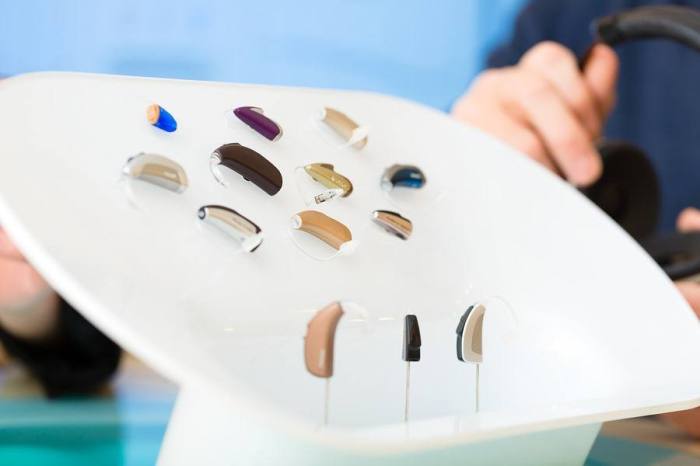
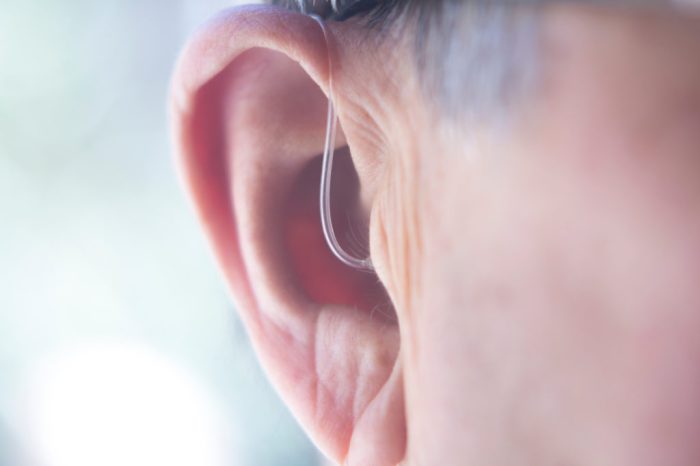
BTE hearing aids are what they sound like: they sit behind the ear, with a small tube connecting to an earmold that sits inside the ear canal. This design is generally robust and easy to handle, making them a popular choice for seniors, particularly those with dexterity issues. The larger size also allows for more powerful amplification, beneficial for those with significant hearing loss. However, they can be more visible than other types.
Advantages: Durable, powerful amplification, easy to handle, good for significant hearing loss, often include various advanced features.
Disadvantages: Can be more visible, may be less comfortable for some, potentially heavier than other options.
In-the-Ear (ITE) Hearing Aids
ITE hearing aids fill the entire outer portion of the ear. They are custom-fitted to the individual’s ear, providing a comfortable and discreet fit. The size allows for a good balance of amplification and features. They are a good middle ground between the visibility of BTEs and the smaller, potentially more fiddly, ITC and CIC options.
Advantages: Comfortable fit, good amplification, relatively discreet, easier to handle than smaller options.
Disadvantages: Can be less powerful than BTEs, more visible than ITC and CIC, may be more difficult to clean.
In-the-Canal (ITC) Hearing Aids
ITC hearing aids fit completely within the ear canal, making them very discreet. They are smaller than ITE aids, but still offer a good level of amplification and features. However, their smaller size means they can be more challenging to handle and may be less suitable for seniors with dexterity problems.
Advantages: Very discreet, comfortable for many, good for mild to moderate hearing loss.
Disadvantages: Smaller size can make handling difficult, less powerful amplification than BTE or ITE, may be more expensive.
Completely-in-Canal (CIC) Hearing Aids
CIC hearing aids are the smallest type, fitting entirely inside the ear canal. They are virtually invisible, making them ideal for those who prioritize discretion. However, this tiny size also means they are the most difficult to handle and may not be suitable for all seniors, particularly those with dexterity issues or significant hearing loss. They often require more technical expertise for insertion and removal.
Advantages: Extremely discreet, comfortable fit for many.
Disadvantages: Very small and difficult to handle, limited amplification, may be more expensive, shorter battery life.
Comparison of Hearing Aid Types
| Feature | BTE | ITE | ITC | CIC |
|---|---|---|---|---|
| Size | Large | Medium | Small | Very Small |
| Visibility | High | Medium | Low | Very Low |
| Amplification | High | Medium-High | Medium | Low-Medium |
| Ease of Handling | High | Medium | Low | Very Low |
| Cost | Medium | Medium-High | High | High |
| Suitability for Hearing Loss | Mild to Severe | Mild to Moderate | Mild to Moderate | Mild |
Open-Fit Hearing Aids
Open-fit hearing aids are a specific type of BTE aid designed for individuals with mild to moderate hearing loss, particularly in the higher frequencies. They feature a small, open tube that allows some natural sound to enter the ear canal, creating a more natural sound experience. This open design reduces the feeling of “plugged ears” that some users experience with other styles. This is often a preferable option for seniors who want a less intrusive hearing aid while still receiving amplification. They are generally easier to maintain and adjust compared to fully in-the-canal options.
Features to Consider in Senior Hearing Aids
Choosing the right hearing aid can significantly improve a senior’s quality of life. It’s not just about hearing better; it’s about choosing a device that’s comfortable, easy to use, and equipped with features that address the specific challenges of aging. This section will delve into the key features seniors should prioritize when selecting a hearing aid.
Beyond simply amplifying sound, modern hearing aids offer a range of sophisticated technologies designed to enhance the listening experience and make life easier for seniors. Consider these features as crucial elements in your search for the perfect fit.
Noise Reduction Technology
Effective noise reduction is paramount for seniors. The ability to filter out background noise, such as traffic or chatter in a restaurant, allows them to focus on the conversation at hand. Without this feature, the constant barrage of background sounds can make understanding speech incredibly difficult, leading to frustration and social withdrawal. Many modern hearing aids employ advanced algorithms to identify and reduce unwanted noise while preserving the clarity of speech. This results in a more comfortable and enjoyable listening experience, enabling easier participation in social gatherings and conversations.
Directional Microphones
Directional microphones are a game-changer for seniors in noisy environments. Unlike omnidirectional microphones that pick up sound from all directions equally, directional microphones focus on sounds coming from a specific direction, typically the person speaking. This significantly improves speech intelligibility in noisy settings by minimizing the impact of background noise. Imagine a senior at a family dinner – directional microphones help them focus on the voices of their loved ones, even amidst the clinking of silverware and lively chatter.
Feedback Cancellation
The annoying “whistling” sound often associated with hearing aids, known as feedback, can be incredibly disruptive. Feedback cancellation technology actively monitors and eliminates this unwanted sound, ensuring a smooth and comfortable listening experience. This feature is especially important for seniors who may find the constant whistling distracting and frustrating. A hearing aid with robust feedback cancellation allows for clear and uninterrupted sound, contributing to a more positive experience with the device.
Telecoil
A telecoil is a small coil of wire inside the hearing aid that picks up electromagnetic signals. This is particularly useful for seniors who frequently use telephones equipped with telecoil compatibility (often found in landline phones). The telecoil provides a clear and direct connection to the telephone, minimizing background noise and improving the quality of phone calls. This feature enhances communication, allowing seniors to easily connect with friends and family.
Bluetooth Connectivity
Bluetooth connectivity has revolutionized the hearing aid experience for seniors. This feature allows the hearing aids to connect directly to smartphones, tablets, and even televisions. Imagine the convenience of streaming audio directly to your hearing aids, enjoying clear sound from your favorite TV show or having hands-free phone calls without struggling to hear the other person. Bluetooth integration seamlessly integrates hearing aids into modern technology, providing seniors with a more connected and convenient lifestyle. This eliminates the need for separate assistive listening devices and enhances the overall user experience.
Comfortable and Durable Design
Comfort and durability are crucial considerations for seniors. Hearing aids need to be comfortable to wear for extended periods and durable enough to withstand the rigors of daily life. Ease of handling and maintenance is also important; features like easy-to-open battery compartments and simple controls are essential for seniors with dexterity issues. A lightweight and discreet design can also contribute to increased comfort and confidence. Consider features such as different sizes and styles of earpieces to ensure a proper and comfortable fit.
Factors Affecting Hearing Aid Selection
Source: northshorehearingpc.com
Choosing the right hearing aid for a senior isn’t just about picking the fanciest model; it’s about finding the perfect fit for their unique needs and circumstances. Several key factors play a crucial role in this decision, ensuring the hearing aid is both effective and comfortable for everyday use. Ignoring these factors could lead to frustration and ultimately, a device that sits unused in a drawer.
Hearing aid selection is a deeply personal process. It’s not a one-size-fits-all solution, and what works wonders for one senior might be completely unsuitable for another. This is why careful consideration of individual factors is paramount.
Hearing Loss Type and Severity
The type and degree of hearing loss directly influence the type of hearing aid recommended. Someone with mild hearing loss in one ear will have very different needs than someone with severe, sensorineural hearing loss in both ears. An audiologist will conduct a comprehensive hearing test to determine the precise nature and extent of the hearing loss, guiding the selection of appropriate amplification and features. For instance, a person with primarily high-frequency hearing loss might benefit from a hearing aid with directional microphones that focus on sounds coming from the front, while someone with significant low-frequency loss might require a device with a broader frequency response. The severity of the loss also dictates the level of amplification needed, influencing the choice between less powerful and more powerful models.
Lifestyle Considerations
A senior’s lifestyle significantly impacts hearing aid selection. An active individual who enjoys social gatherings and outdoor activities might need a robust, durable hearing aid with features like noise reduction and wind protection. Conversely, someone with a more sedentary lifestyle might prioritize comfort and ease of use over advanced features. For example, a senior who enjoys attending concerts might benefit from a hearing aid with a telecoil for improved sound quality in such settings, while someone who spends most of their time at home might find a simpler, less expensive model perfectly adequate.
Budgetary Constraints
Hearing aids can range in price from a few hundred dollars to several thousand. Budget is a significant factor for many seniors, and it’s crucial to find a balance between affordability and functionality. While advanced digital hearing aids offer superior sound quality and features, simpler analog models can still provide effective amplification at a lower cost. It’s important to discuss budgetary limitations openly with the audiologist to explore options that fit within the financial constraints while still meeting the individual’s hearing needs. Exploring financing options or insurance coverage can also be helpful in managing costs.
Dexterity and Manual Ability
The senior’s dexterity and manual ability play a crucial role in selecting a hearing aid that’s easy to handle and operate. Some hearing aids have smaller controls and require finer motor skills to adjust, making them unsuitable for seniors with limited dexterity. Larger, simpler controls or remote control apps might be more appropriate in such cases. The style of the hearing aid—behind-the-ear (BTE), in-the-ear (ITE), or completely-in-canal (CIC)—also affects ease of handling. BTE models, for example, often have larger controls, making them easier to use for individuals with reduced dexterity.
Analog vs. Digital Hearing Aid Technology
Analog hearing aids amplify all sounds equally, while digital hearing aids use sophisticated microprocessors to analyze and process sounds, offering features like noise reduction, directional microphones, and feedback cancellation. Digital hearing aids generally provide superior sound quality and more adaptability to different listening environments. However, they are typically more expensive than analog models. The choice between analog and digital depends on the individual’s needs, budget, and the severity of their hearing loss. Digital technology provides a more personalized and adaptive hearing experience, but analog models can be a more cost-effective solution for individuals with less demanding hearing needs.
Questions Seniors Should Ask Their Audiologist
Before committing to a purchase, seniors should have a clear understanding of their options and the implications of their choice. A thorough discussion with the audiologist is essential to ensure a good fit. The audiologist should explain the different types of hearing aids, their features, and their suitability for the individual’s specific needs and lifestyle. They should also discuss the cost, warranty, and maintenance requirements of the devices. Additionally, it is important to discuss expectations realistically; hearing aids improve hearing, but they don’t restore it to perfect levels.
Cost and Insurance Coverage
Source: lemmeaudiology.com
Finding the best hearing aids for seniors can be a challenge, especially with the cost involved. Luckily, if you’re a student helping a grandparent, you might find some relief by checking out awesome deals like those listed on this page for best student discounts , which could potentially extend to healthcare providers or related services. This could help you navigate the often-expensive world of senior hearing care, making quality aids more accessible.
Hearing aids represent a significant investment, and understanding the cost landscape is crucial for seniors and their families. The price varies dramatically depending on several factors, including technology level, features, and brand. Navigating insurance coverage and exploring affordable options can significantly impact the final cost.
The price of hearing aids can range from a few hundred dollars for basic models to several thousand dollars for advanced, high-tech devices. Basic analog hearing aids might fall in the $500-$1500 range, while sophisticated digital hearing aids with advanced features like noise reduction and Bluetooth connectivity can cost $2000-$6000 or more per aid. The cost also depends on the specific features chosen, such as rechargeable batteries or telecoil technology for improved phone usage. Premium brands often command higher prices. It’s important to remember that this is a per-ear cost; you’ll need two hearing aids for binaural (two-ear) amplification, which is generally recommended for optimal hearing.
Medicare and Private Insurance Coverage
Medicare, the federal health insurance program for seniors, generally does not cover the cost of hearing aids. This is a significant barrier for many seniors. While some Medicare Advantage plans might offer partial coverage, it’s rare and usually limited. Private insurance policies also vary widely in their hearing aid coverage. Some employer-sponsored plans may offer limited benefits, while others may not cover hearing aids at all. Checking your specific plan’s coverage details is essential. Many private insurance plans may cover hearing examinations performed by an audiologist, but the aids themselves are often excluded. For example, a Blue Cross Blue Shield plan might cover the diagnostic audiological evaluation but not the devices themselves.
Finding Affordable Hearing Aids
Several avenues exist for finding more affordable hearing aids. Used or refurbished hearing aids, often sold by reputable online retailers or audiology practices, can offer significant cost savings. These devices are usually inspected and tested to ensure functionality, providing a budget-friendly alternative. However, it’s crucial to purchase from a reliable source to ensure quality and avoid potential scams. It’s advisable to have a professional assess the condition and suitability of any used device before purchase. Another option is exploring hearing aid financing plans offered by some audiologists or retailers. These plans allow you to spread the cost of the hearing aids over several months or years, making them more manageable financially. Interest rates and terms vary, so careful comparison is recommended. Finally, some charitable organizations and community programs offer assistance to low-income seniors seeking hearing aids. Contacting local senior centers or social service agencies can help identify these resources.
Maintaining and Caring for Hearing Aids
Keeping your hearing aids in top shape is crucial for maximizing their lifespan and ensuring you continue to enjoy clear sound. Regular cleaning and proper storage are key to preventing malfunctions and extending their usability. Neglecting maintenance can lead to premature failure, requiring costly repairs or replacements. This section provides a practical guide to help seniors care for their hearing aids effectively.
Daily Cleaning and Maintenance
Daily cleaning is essential to prevent wax buildup and other debris from accumulating inside the hearing aid. This simple routine can significantly extend the life of your device.
- Inspect the hearing aid: Before cleaning, visually inspect your hearing aid for any visible dirt, wax, or debris.
- Remove earwax and debris: Use a soft, dry cloth or the cleaning brush provided with your hearing aid to gently remove any visible wax or debris from the microphone and speaker openings. Avoid using sharp objects or excessive force, as this can damage the delicate components.
- Clean the casing: Wipe the exterior casing of the hearing aid with a slightly damp (not wet) cloth. Ensure the cloth is lint-free to prevent fibers from getting trapped inside.
- Dry thoroughly: Allow the hearing aid to air dry completely before storing it. Do not use a hairdryer or any other heat source to dry it, as this can damage the internal components.
- Use a dehumidifier: For those who live in humid climates or experience excessive perspiration, consider using a hearing aid dehumidifier to absorb moisture and prevent damage.
Storage and Protection of Hearing Aids
Proper storage protects your hearing aids from damage and loss, ensuring they remain functional for years to come.
- Use a protective case: Always store your hearing aids in a hard case when not in use. This protects them from bumps, scratches, and accidental drops.
- Keep them in a safe place: Choose a designated location for storing your hearing aids, such as a bedside table or drawer. Avoid placing them in areas where they could be easily lost or damaged.
- Avoid extreme temperatures: Do not leave your hearing aids in direct sunlight, hot cars, or other areas with extreme temperatures. Exposure to heat can damage the internal components.
- Label your hearing aids: Write your name and contact information on the inside of the case to help locate them if they are lost.
- Keep them away from moisture: Store hearing aids in a dry environment. Moisture can cause corrosion and malfunction.
Troubleshooting Common Hearing Aid Problems
Addressing common hearing aid issues promptly can prevent more significant problems and ensure consistent performance.
- Whistling (Feedback): Whistling often occurs when the hearing aid’s microphone picks up its own sound. This can be due to improper fit, earwax buildup, or a damaged earmold. Try repositioning the hearing aid, cleaning it thoroughly, or consulting your audiologist.
- Reduced Volume: If the volume seems low, check the battery, ensure the volume control is properly adjusted, and verify that the hearing aid is turned on. If the problem persists, contact your audiologist.
- No Sound: Check the battery, ensure the hearing aid is turned on, and inspect for any obvious obstructions. If the problem continues, consult your audiologist for professional assistance.
Finding a Qualified Audiologist
Choosing the right audiologist is crucial for seniors seeking hearing aids. A qualified professional will not only accurately assess your hearing loss but also guide you through the process of selecting, fitting, and maintaining your hearing aids, ensuring optimal comfort and effectiveness. Ignoring this step could lead to ineffective hearing aids, wasted money, and continued frustration.
Finding a reputable audiologist involves more than just a quick online search. It requires careful consideration and verification of their credentials and experience. Several resources are available to help you navigate this process and ensure you’re in the hands of a skilled professional who understands the unique needs of older adults.
Audiologist Credentials and Verification
Confirming an audiologist’s qualifications is a vital first step. Look for professionals who are licensed and certified by relevant professional organizations. This ensures they’ve met specific educational and practical requirements, demonstrating competency in hearing assessment and hearing aid fitting. Check state licensing boards for verification and look for certifications from organizations like the American Speech-Language-Hearing Association (ASHA). These organizations maintain databases of their members, allowing you to verify qualifications and potentially find audiologists in your area. Their websites often provide search tools to locate licensed professionals.
Finding Reputable Audiologists
Several resources can assist in locating qualified audiologists. Online directories, such as those maintained by professional organizations like ASHA, offer searchable databases of licensed audiologists. You can filter by location, specialization (geriatric audiology is ideal for seniors), and other criteria. Additionally, recommendations from trusted sources—family, friends, or your primary care physician—can be invaluable. Reading online reviews, however, should be done with a critical eye, as individual experiences can vary widely. Focus on patterns of positive or negative feedback, and look for mentions of specific aspects of the audiologist’s service, such as communication style, thoroughness of the exam, and post-fitting support.
Questions to Ask Potential Audiologists
Before committing to an audiologist, it’s beneficial to have a clear understanding of their approach and services. A pre-appointment phone call or email to inquire about these matters can save time and ensure compatibility.
The following are examples of important information to obtain:
- Their experience working with seniors and the specific types of hearing loss common among older adults.
- The types of hearing aids they dispense and their familiarity with different technologies and brands.
- Their approach to hearing aid fitting, including the number of follow-up appointments offered for adjustments and fine-tuning.
- Their policies on warranties, repairs, and maintenance of hearing aids.
- Their billing practices and acceptance of insurance.
- Their communication style and their willingness to answer questions thoroughly and patiently.
By asking these questions, seniors can ensure they find an audiologist who provides a comprehensive and personalized approach to hearing care, meeting their individual needs and preferences. Remember, finding the right fit is crucial for a successful hearing aid experience.
Illustrative Examples of Senior-Friendly Hearing Aids: Best Hearing Aids For Seniors
Choosing the right hearing aid can significantly improve a senior’s quality of life. The market offers a wide variety, each with unique features catering to different needs and preferences. Understanding these differences is crucial for making an informed decision. This section will highlight three distinct models, focusing on their design, user interface, and overall user experience.
Widex Moment Sheer
The Widex Moment Sheer is a popular choice for seniors prioritizing discreetness and ease of use. Its incredibly small size makes it almost invisible in the ear, appealing to those who are self-conscious about wearing a hearing aid. The user interface is simple and intuitive, often featuring a single button for volume control and program changes. This simplicity is a major advantage for seniors who may find complex controls overwhelming. The hearing aid itself is lightweight and comfortable, minimizing the potential for irritation or discomfort during prolonged wear. Its rechargeable battery also adds convenience, eliminating the need for frequent battery changes.
Phonak Audeo Lumity
The Phonak Audeo Lumity represents a step up in technology and features. While slightly larger than the Widex Moment Sheer, it still maintains a relatively discreet profile. This model boasts advanced sound processing capabilities, effectively managing background noise and enhancing speech clarity in challenging listening environments. The user interface incorporates a touch control system, allowing for more precise adjustments to volume and other settings. While this may initially seem more complex, the intuitive design and clear visual feedback make it relatively easy to navigate. The Audeo Lumity offers a comfortable fit and comes with a range of ear tips to ensure a secure and personalized fit. It’s ideal for seniors who want advanced technology without sacrificing ease of use.
Starkey Evolv AI
The Starkey Evolv AI stands out with its focus on artificial intelligence and personalized sound processing. This model uses sophisticated algorithms to learn and adapt to the user’s individual hearing needs and listening environments. Its design is slightly larger than the previous two, but still relatively unobtrusive. The user interface features a combination of buttons and a companion smartphone app, providing multiple ways to adjust settings and monitor performance. The app’s intuitive design and user-friendly features make it easier for seniors to manage their hearing aids remotely. The Evolv AI prioritizes comfort and stability, featuring advanced ear tip technology for a secure and comfortable fit, even during extended periods of use. It’s a good choice for tech-savvy seniors who want a hearing aid that adapts to their specific needs.
Visual Representation of a Hearing Aid, Best hearing aids for seniors
Imagine a small, teardrop-shaped device, approximately the size of a large pea.
* Microphone: Located at the base, this component captures sounds from the environment. Think of it as the hearing aid’s “ear.”
* Amplifier: Hidden inside, this component increases the volume of the captured sounds to compensate for hearing loss. It’s the hearing aid’s “voice.”
* Receiver/Speaker: Positioned near the tip, this component delivers the amplified sound to the user’s ear. This is the “mouth” of the hearing aid.
* Battery Compartment: Usually located at the base, this holds the power source for the device.
* Volume Control (may vary): Some models have a small button or dial on the device for quick volume adjustments.
Final Wrap-Up
Choosing the right hearing aid is a personal journey, one that blends technology, comfort, and individual needs. Remember, a qualified audiologist is your ultimate guide. By understanding the various types, features, and costs, you can empower yourself to make an informed decision, unlocking clearer sound and a richer life experience. Don’t let hearing loss dim your world; take control and hear what you’ve been missing.
